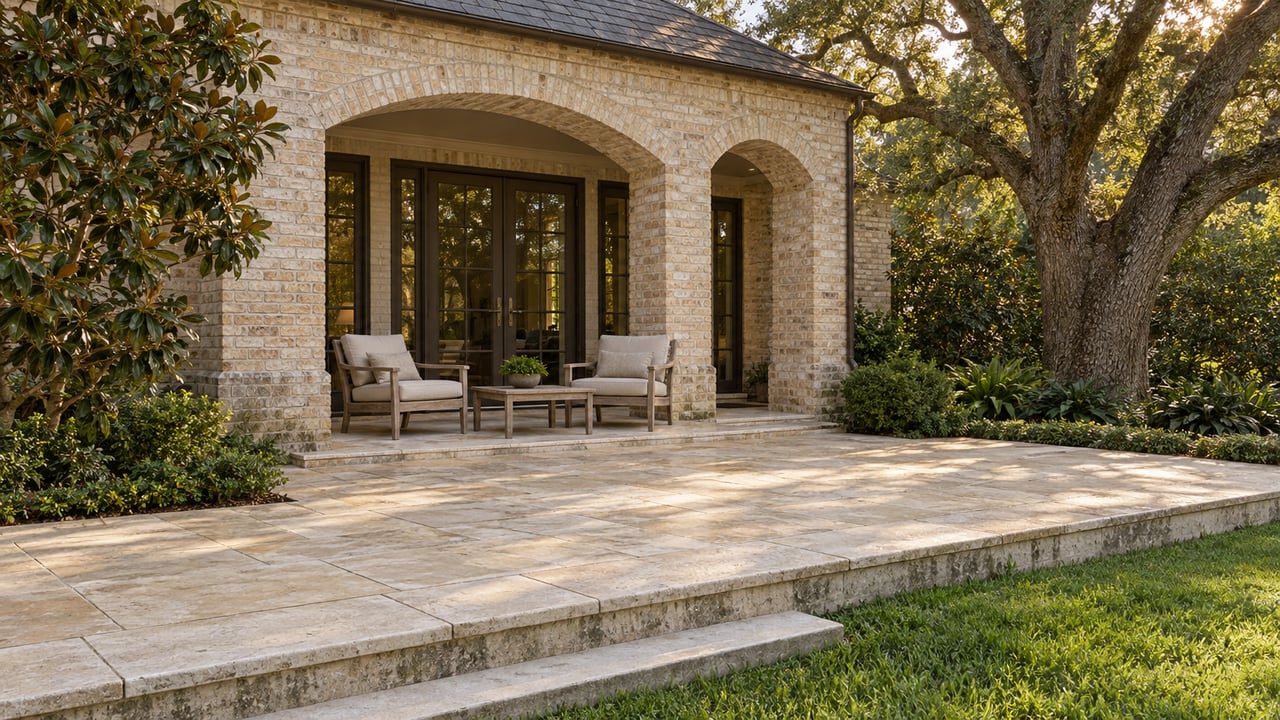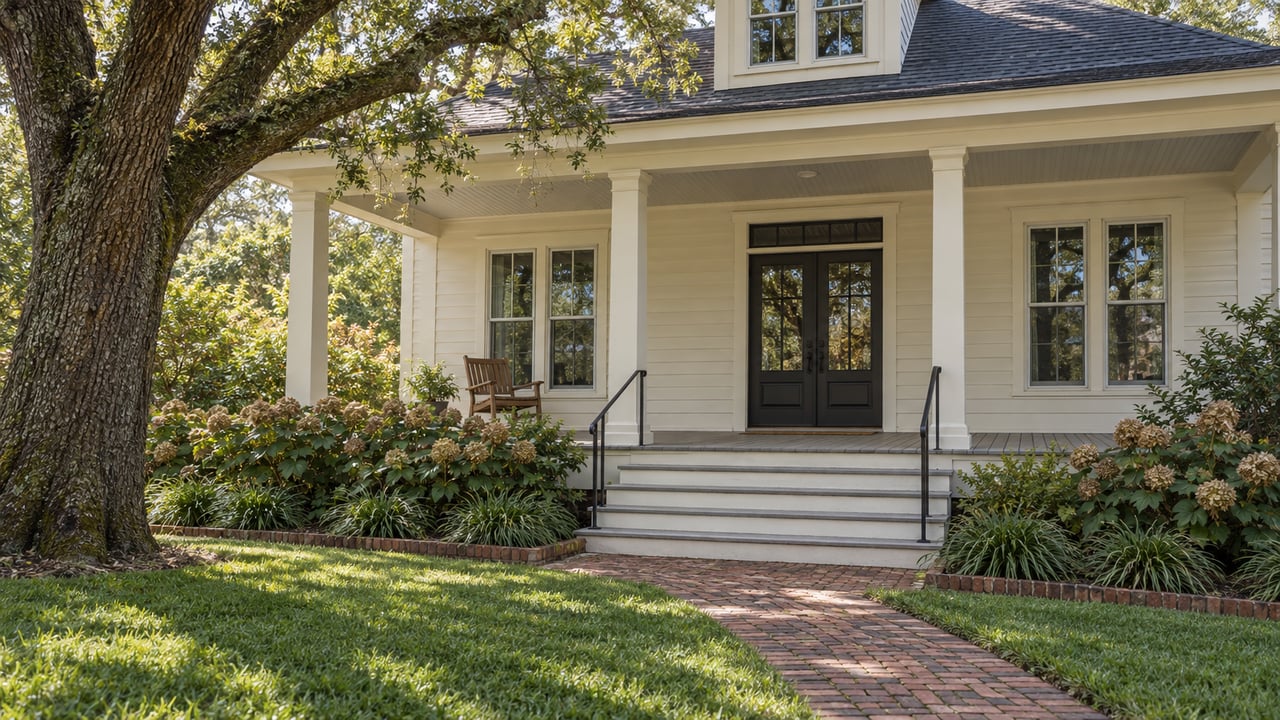
A buyer walking two blocks in the Heights can pass from a bungalow that costs seven figures to one that costs half that, with nothing about the porches or the oak canopy signaling why. The difference rarely comes down to square footage or how recently the kitchen was redone. It comes down to a line on a city map that most for-sale signs never mention: which historic district the house sits in, whether it counts as a contributing structure inside that district, and what that status quietly buys and costs the owner.
That line is the real story in the Heights right now, and it explains a price spread wide enough to make comparison shopping useless if you don't understand it first.
Three Districts Have Written Guidelines. Four Don't.
The Heights contains seven mapped historic districts: Houston Heights East, West, and South, plus Woodland Heights, Norhill, Freeland, and Germantown. All seven have an exterior-review process for contributing structures. Only three of them, East, West, and South, have defined written design guidelines that spell out exactly what will and won't pass review.
The other four operate on a more subjective standard. Norhill has an active neighborhood association and comparatively explicit deed restrictions to lean on. Germantown and Freeland don't have written deed restrictions at all, which means a project there gets judged more on precedent and staff discretion than on a published rulebook. Norhill's own formal design guidelines were still working through a public comment process as of March 2026, with a hearing held on March 24 and adoption expected later in the year.
That distinction between "written guidelines" and "case by case" is the first thing worth checking on any Heights address, because it shapes how predictable a renovation timeline will be, not just whether one is allowed.
Here's how the price data lines up against that structure:
| Median Sale Price (2026) | Written Design Guidelines | |
|---|---|---|
| Houston Heights South Historic District | Roughly $1.3 million, three months ending March 2026 | Yes |
| Houston Heights West Historic District | $745,000 in February 2026, $940,000 in March 2026 | Yes |
| Greater Heights, all pockets combined | $699,000, three months ending May 2026 | Only where a district applies |
Notice the West district's own median moved by close to $200,000 in a single month. That's not the market changing that fast. It's the small-sample problem every Heights sub-pocket has: a handful of closings can swing the number, and one or two luxury sales in a given month will drag the median with them. Anyone comparing Heights addresses by median price alone is comparing noise as much as value.
Contributing Status Is the Real Line
Inside any of the seven districts, the property-level question that matters most is whether the house is classified as a contributing structure or a noncontributing one. A contributing structure, generally an older home that retains its original form and materials, faces the full weight of HAHC review for exterior work. A noncontributing structure, often a newer infill build or a heavily altered original, faces a lighter touch. The city's own preservation manual notes that if a noncontributing building is later restored to a point where it reflects its historic character again, it can be reclassified as contributing, which opens the door to incentives that weren't available before.
That reclassification path matters because it means the status isn't fixed forever. A buyer who picks up a noncontributing bungalow that's been stripped of its shiplap and swapped windows over the decades has a real option: restore it correctly, and the house can earn its way back into contributing status and the benefits that come with it.
The century-old homes carrying premium price tags in Heights South, like the Craftsman-era Robert L. and Dena Cole House on Harvard Street, built in 1908 and rebuilt in 1916, are the kind of intact, original-material structures the ordinance was written to protect. That's part of why the South district's median sits so far above the Greater Heights median. Scarcity of genuinely original stock, not renovation quality alone, is doing a lot of the pricing work.
The historic district premium isn't really a charm premium. It's a scarcity premium on structures the city has made it harder to alter and harder to replace, which is exactly what keeps their value from eroding the way a purely cosmetic renovation does.
The Denial Rate Is Lower Than You Think
Buyers who hear "Certificate of Appropriateness" often assume it means their renovation plans go to die in a committee room. The 2025 figures presented at HAHC's January 15, 2026 meeting tell a different story. Staff reviewed 355 applications that year. The reported figures included 39 percent approved by the full commission, 32 percent approved administratively by staff without ever going to a commission vote, 12 percent withdrawn by the applicant, 5 percent resulting in a Certificate of Objection, and 3 percent denied outright.
Together, those approvals account for just over seven in ten applications. A project that meets the design guidelines in East, West, or South has a real chance of moving through as an administrative approval rather than a full public review. The Houston Historic Preservation Manual says the application itself has to land by noon, 22 calendar days ahead of the monthly HAHC meeting, so the friction is mostly about planning lead time, not about the odds of rejection.
The Financial Trade the City Built In
What makes the historic district trade-off work in an owner's favor is the money attached to compliance. A Certificate of Appropriateness can open the door to the city's historic site tax exemption program.
That exemption program has real teeth. Spend at least 25 percent of a structure's assessed base value (not counting the land) on qualifying restoration or rehabilitation, and the city will exempt an equivalent dollar amount of the resulting increase in assessed value from city property tax, for a term the ordinance sets at up to 15 years. The application runs through the city's Historic Site Tax Exemption program
The part that catches people off guard: Katy Area EDC says a property owner who gets turned down for a Certificate of Appropriateness is not eligible for that tax exemption at all. The two systems are linked on purpose. The city isn't just restricting what you can do to a contributing structure, it's paying part of the bill for doing it the approved way, and it withholds that payment in that case.
Where the Surprises Live: Setbacks and the Two-Year Lot
The friction that actually derails Heights renovations tends to be technical rather than aesthetic. Within the Heights historic districts, side setbacks are increased beyond the citywide standard: a minimum of 5 feet on each side, with a cumulative total of 10 feet for one-story houses and 15 feet for two-story houses. That rule exists because homeowners complained for years about neighbors building tall walls right up to the property line, and it pushes new construction and additions toward the center of the lot instead.
The harsher surprise involves demolition. Under Section 33-203(d) of the city's code, if a contributing structure in a historic district is torn down without an approved Certificate of Appropriateness, or is demolished by the city itself for public safety reasons, no building permit can be issued for that site for two years after the date of demolition. An investor who buys a contributing structure planning to clear the lot and build new, without first securing the COA for that demolition, can end up owning a vacant, unbuildable parcel for two full years.
Before You Write an Offer
A short list worth running through on any Heights property that catches your eye:
- Confirm which of the seven historic districts the address falls in, and whether that district has written design guidelines or case-by-case review.
- Ask whether the structure is classified as contributing or noncontributing. That status, not the listing photos, determines what you can change.
- If renovation is the plan, build the COA application process into your timeline before you commit to a closing date.
- If a tax exemption is part of your financial plan, confirm the qualifying expenditure threshold.
- If demolition is on the table, secure the COA for that demolition first. Skipping this step can leave a lot unbuildable for two years.
The Bigger Picture
The Heights doesn't have one market. It has a set of overlapping regulatory zones layered on top of an already varied housing stock, and the price differences between them are a rational response to real constraints and real incentives, not just taste. A buyer who understands the contributing-versus-noncontributing distinction, the district-by-district guideline gap, and the financial mechanics tied to the Certificate of Appropriateness process is negotiating from a position almost nobody else at the open house has.
If you're weighing a purchase or a sale inside one of the Heights historic districts, or trying to figure out which pocket actually fits your renovation plans and budget, Property Collective Group can walk the specific address, district, and contributing status with you before you write an offer. Request your instant home valuation to see where your property or target sits in this market, then let's talk through what the designation actually means for your plans.
This article is general information, not legal, tax or financial advice. Consult a qualified professional about your situation.