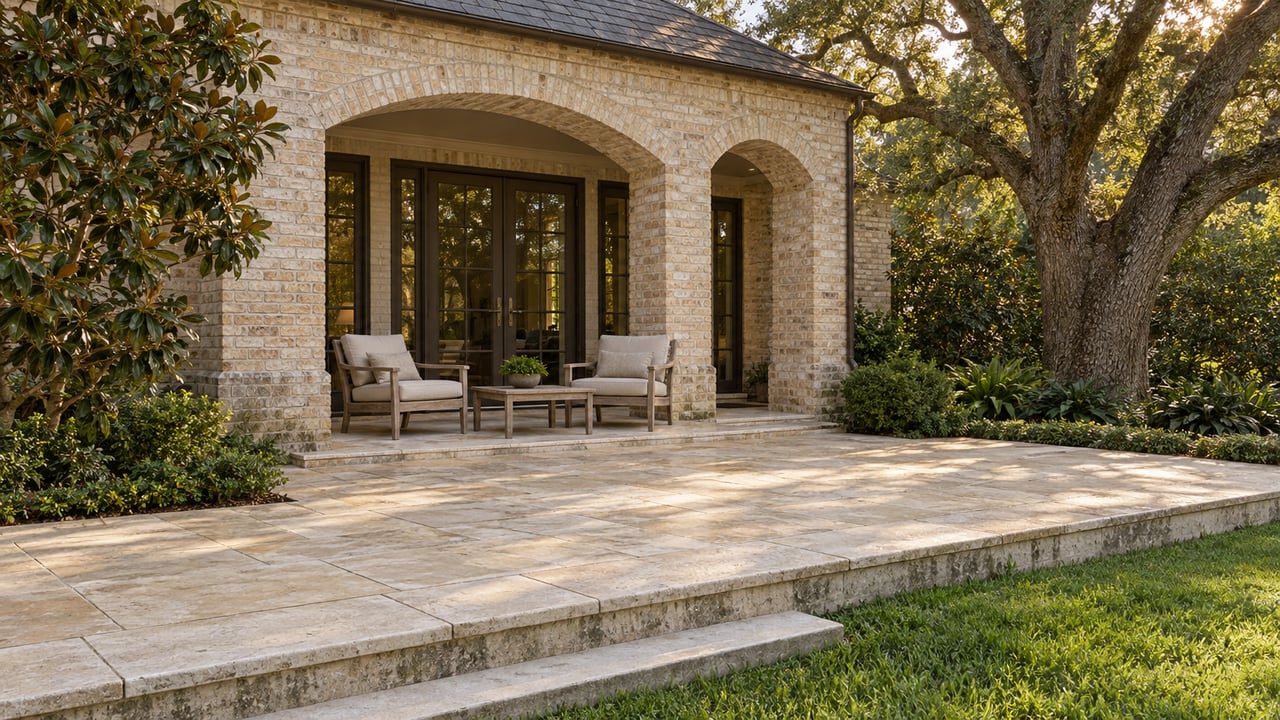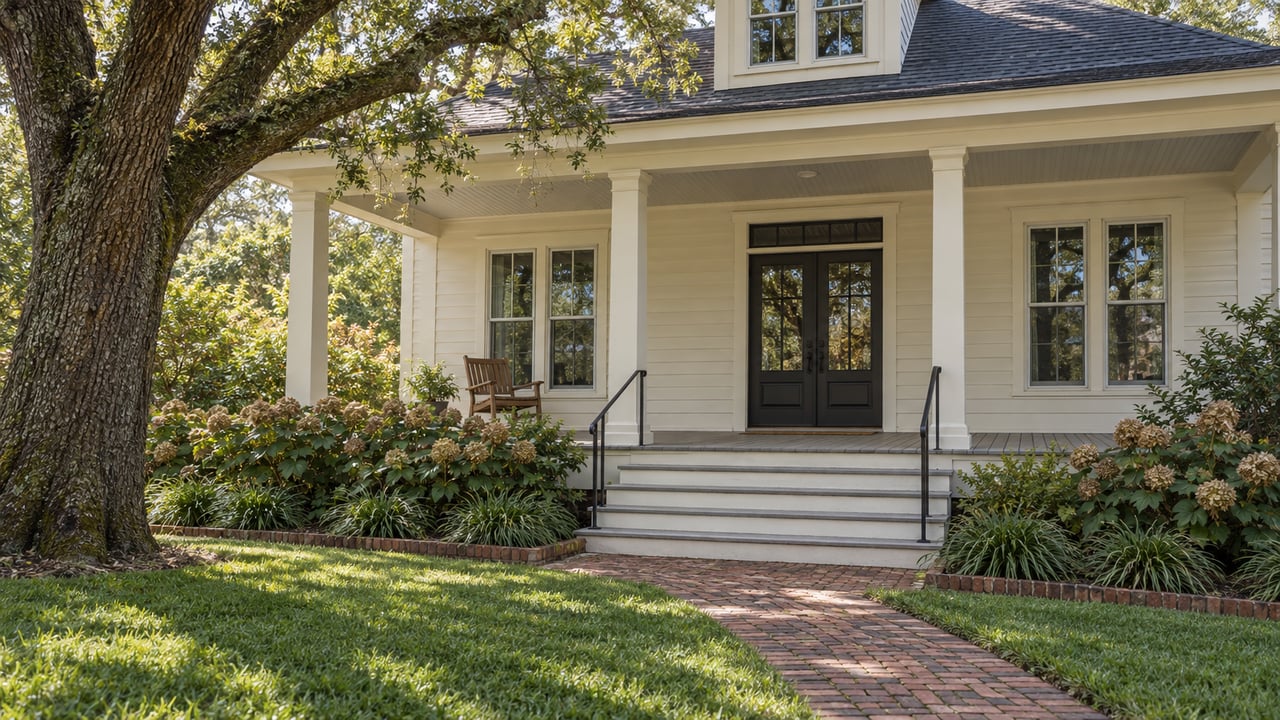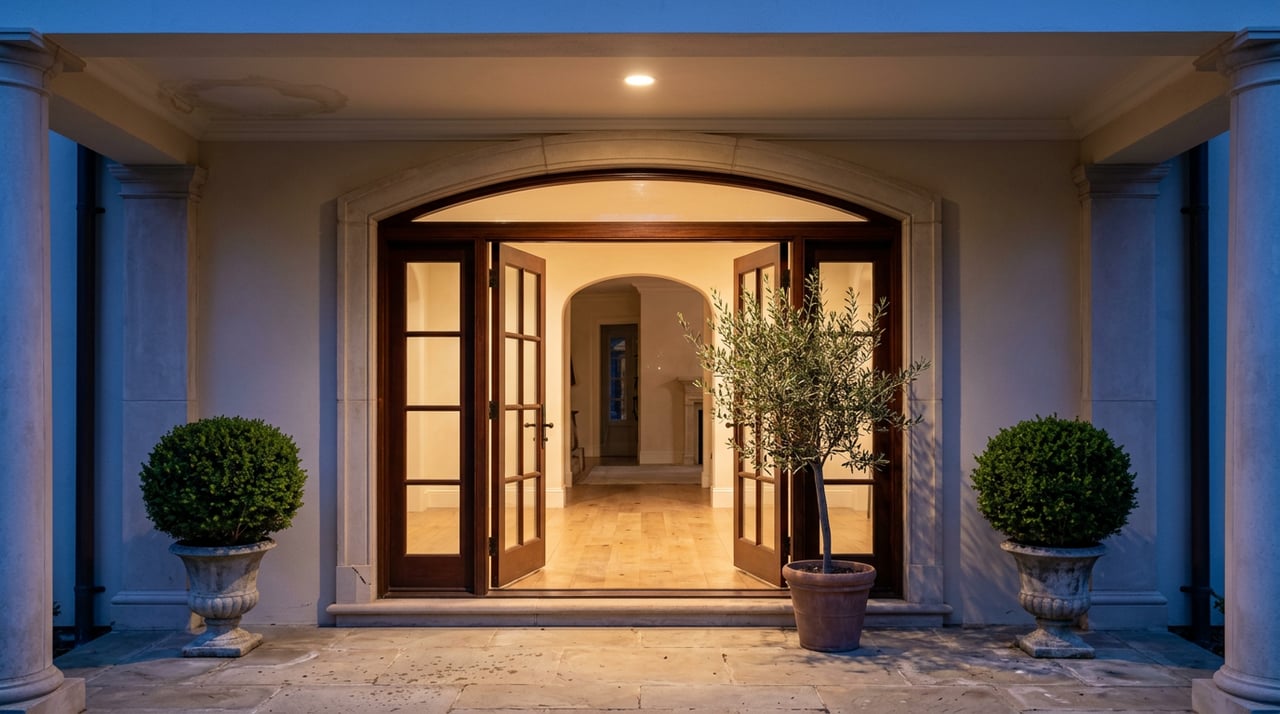
Ever wonder why River Oaks feels so visually distinct, even when one home looks classically formal and the next feels romantic or modern? If you are buying, selling, or simply studying the area, understanding its architecture helps you read the neighborhood with more confidence. The styles here are not random. They reflect a carefully planned design vision that still shapes curb appeal, renovation choices, and market perception today. Let’s dive in.
Why River Oaks Architecture Stands Out
River Oaks began in the 1920s as a planned 1,100-acre residential garden suburb developed by Will and Mike Hogg with attorney Hugh Potter. From the start, the neighborhood included architectural controls, deed restrictions, underground utilities, esplanades, and building standards that guided how homes would sit on their lots and relate to the streetscape.
That early structure still matters. Instead of reading as a patchwork of unrelated houses, River Oaks feels visually cohesive because its homes were shaped by a disciplined planning framework. A helpful way to think about it is this: River Oaks is eclectic, but it is also highly controlled.
City of Houston landmark records show that the neighborhood includes a broad mix of revival styles, including Georgian, Tudor, Dutch Colonial, Mediterranean, Norman, French, and Spanish Colonial influences. Still, a few architectural traditions serve as the clearest visual anchors when you walk or drive through the area.
Georgian and Colonial Revival Homes
Georgian and Colonial Revival homes are among the most recognizable traditional styles in River Oaks. They bring a sense of order and formality to the streetscape, and they align closely with early neighborhood design expectations. In fact, original deed restrictions on Kirby Drive required English Tudor or Colonial Revival styles.
These homes are usually easy to spot because of their symmetry and classical proportions. You will often see centered front doors, columns or pilasters, balanced window placement, and hipped or gabled roofs. Decorative fanlights and Palladian windows also appear in this style family.
Charles Oliver, the River Oaks Corporation’s in-house architect from 1926 to 1931, designed more than 75 homes in the neighborhood across several styles, including Georgian. That legacy helps explain why this look remains such an important part of River Oaks’ identity.
What Buyers and Sellers Notice
For buyers, Georgian and Colonial Revival homes often feel composed and intentional from the first glance. The symmetry can make a façade feel calm, polished, and easy to understand. For sellers, that balance tends to photograph well and creates a strong visual impression in listing materials.
Tudor Revival Homes
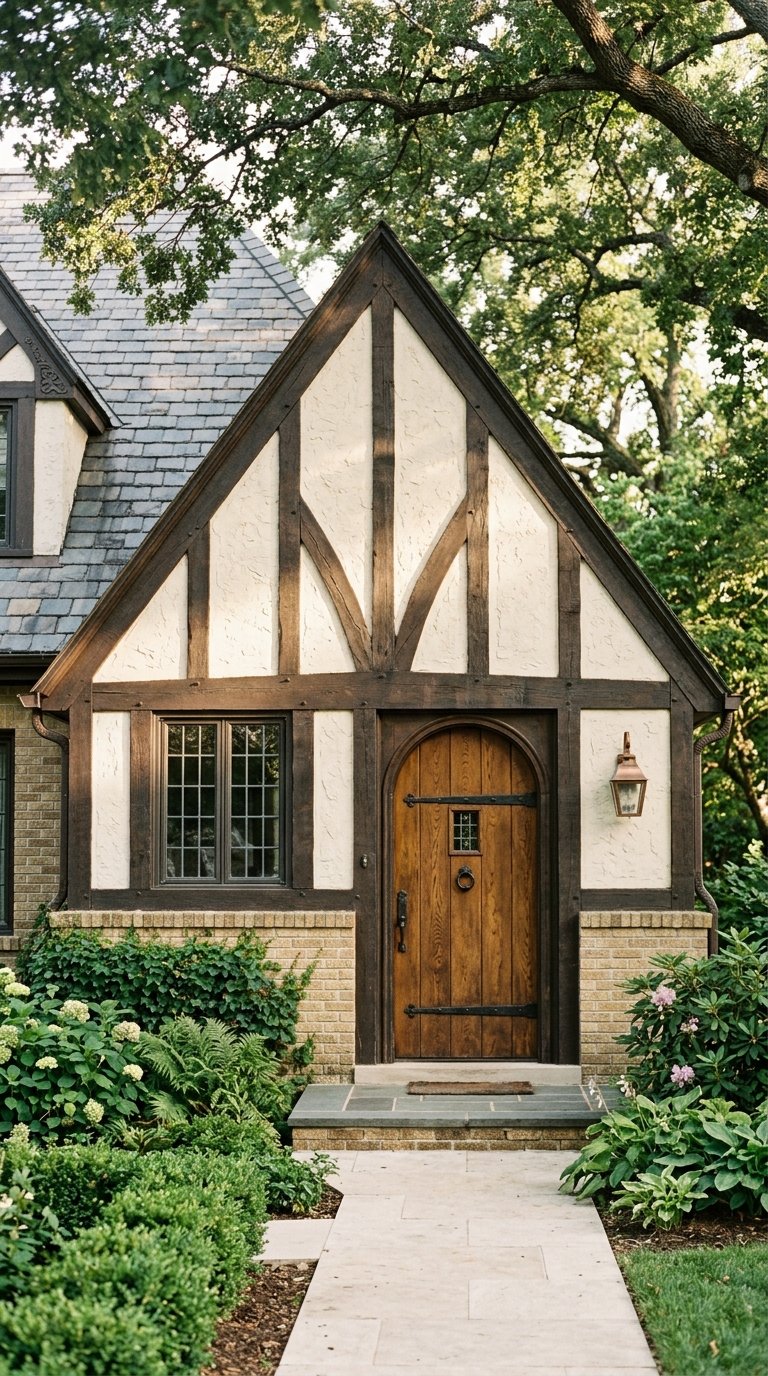
Tudor Revival is one of the styles most closely associated with River Oaks. It brings texture, depth, and a distinctly historic look to the neighborhood. If a home feels storybook-like or richly layered from the street, Tudor Revival is often the reason.
Local landmark descriptions highlight several defining features. These homes often include brick, stone, stucco, or wood exteriors, along with asymmetrical facades, steep roofs, multiple front gables, and substantial chimneys. Decorative brickwork, stone accents, and half-timbering are also common details.
In a River Oaks streetscape, Tudor homes stand out because they create strong shadow lines and visual movement. The rooflines are dramatic, the materials are varied, and the façades feel especially detailed.
Why Tudor Has Lasting Appeal
For buyers, Tudor homes can signal craftsmanship and presence. For sellers, the layered materials and distinctive roof forms often create memorable curb appeal, especially when exterior masonry, entry details, and landscaping are well maintained.
Spanish Colonial Revival and Spanish Eclectic Homes
Spanish-inspired homes are another important part of River Oaks’ architectural identity. In local records, you may see these homes described as Spanish Colonial Revival, Spanish Eclectic, or sometimes Mediterranean. In practice, those labels often overlap in River Oaks rather than representing completely separate categories.
Houston’s architectural guidance describes Spanish Eclectic homes with stucco walls, balconies, arched entryways, and shallow eaves. A state architectural guide adds other familiar features such as low-pitched clay tile roofs, round arches, carved doors, decorative window grilles, and balconies or terraces.
These homes bring warmth and expression to the neighborhood. Compared with the measured symmetry of Georgian architecture or the heavy texture of Tudor homes, Spanish-inspired designs often feel more fluid and sculptural.
What Gives This Style Presence
Arches play a major role in how these homes are experienced from the street. Entryways, windows, porches, and upper-level openings can all contribute to that soft, layered look. For sellers, preserving those visible details can help a home feel architecturally complete and especially inviting in photos and in person.
Contemporary Modern Homes
While River Oaks is known for revival architecture, modern homes also have a meaningful place in the area. Later infill and postwar design introduced a different architectural language, one that focuses more on clean lines, transparency, and a strong connection to the landscape.
A notable example is the 1950 Neuhaus House, which the City of Houston describes as an early example of contemporary modern architecture in River Oaks. Its defining features include brick-and-glass construction, a flat roof, grouped pavilions around a transparent core, floor-to-ceiling glass, and an intentional relationship between the house and the site.
Modern homes can feel very different from the neighborhood’s earlier revival styles, but they are still part of the River Oaks story. Houston preservation guidance notes that modern design can be appropriate when it is similar in size and proportion to nearby homes and positioned compatibly on the lot.
How Modern Fits River Oaks
The key is not whether a home copies older styles. It is whether the design respects the scale, proportion, and placement patterns that help the neighborhood feel coherent. In River Oaks, a successful modern home often feels deliberate rather than disruptive.
Why Style Matters for Curb Appeal
In River Oaks, architecture does more than define appearance. It shapes first impressions. Because façades, rooflines, entry composition, and landscape framing are such visible parts of the neighborhood, architectural integrity can strongly affect how a home is perceived.
Research cited in the report shows that front doors matter for curb appeal, and exterior upgrades can carry strong resale value signals. In a neighborhood where buyers often notice proportion, materials, and design consistency right away, those street-facing details matter even more.
Each style sends a slightly different message. A Georgian façade may read as balanced and formal, a Tudor home as substantial and textured, a Spanish-inspired home as warm and expressive, and a contemporary home as crisp and intentional. Those impressions can influence how polished a listing feels before a buyer ever steps inside.
Renovating With River Oaks in Mind
If you own a River Oaks home and are thinking about exterior updates, design review is an important part of the process. River Oaks properties are subject to current deed restrictions and an architectural review process, and the association publishes rules that address items such as fences, setbacks, and exterior equipment visibility.
That means even practical upgrades should be approached carefully. Before changing visible elements such as windows, porches, masonry, fences, generators, or front-of-lot improvements, it is wise to confirm what applies to your specific property.
Some homes in River Oaks also carry City of Houston landmark status. In those cases, a renovation may involve both private review and public preservation review, which makes house-specific research especially important.
Best-Practice Design Approach
A smart update usually respects the original character of the house while making room for modern living. In practical terms, that often means:
- Preserving the original roof shape
- Maintaining the existing window rhythm
- Keeping a consistent material palette
- Designing additions so they remain subordinate to the main house
- Paying close attention to visible lot placement and exterior elements
City guidance supports compatibility in scale, proportion, and setback, but it does not require new work to copy every historic detail. That gives homeowners flexibility, as long as the overall result fits the setting.
Reading the Neighborhood More Clearly
When you understand River Oaks architecture, you start to see more than surface beauty. You see a neighborhood that was intentionally shaped, protected, and refined over time. That is why its homes can vary so much in style while still feeling like they belong together.
For buyers, that knowledge helps you better evaluate design, authenticity, and long-term fit. For sellers, it helps you position your home more thoughtfully by highlighting the architectural features that give it presence. In a design-driven market like River Oaks, those details are often part of what makes a property stand out.
If you are preparing to buy or sell a distinctive Houston home, Property Collective Group offers the senior-level guidance, thoughtful marketing, and local insight that can help you present architectural value with clarity and confidence.
FAQs
What architectural styles are most common in River Oaks homes?
- River Oaks is known for a controlled mix of styles, but Georgian or Colonial Revival, Tudor Revival, Spanish Colonial Revival or Spanish Eclectic, and contemporary modern are some of the most recognizable.
Why does River Oaks architecture feel so cohesive?
- The neighborhood was developed with architectural controls, deed restrictions, building standards, and planned streetscape elements, which helped create a unified visual identity.
What defines a Georgian or Colonial Revival home in River Oaks?
- These homes typically feature symmetry, classical proportions, emphasized front entries, columns or pilasters, balanced windows, and hipped or gabled roofs.
What details identify a Tudor Revival home in River Oaks?
- Tudor Revival homes often include steep roofs, multiple front gables, brick or stone accents, asymmetrical facades, substantial chimneys, and decorative half-timbering.
How are Spanish Colonial Revival and Spanish Eclectic homes described in River Oaks?
- In River Oaks, these labels often overlap and usually refer to homes with stucco walls, arches, balconies, shallow eaves, clay tile roofs, and decorative doors or window grilles.
Can modern homes fit into River Oaks architecture?
- Yes. City guidance indicates that modern homes can be appropriate when they are compatible with nearby homes in size, proportion, and lot placement.
What should homeowners know before renovating a River Oaks exterior?
- Homeowners should review applicable deed restrictions, architectural review requirements, and any property-specific landmark considerations before making visible exterior changes.