Piney Point Village is one of the most exclusive residential areas in Houston. It sits inside the broader Memorial Villages, but it has its own identity, its own city government, its own rules, and a very distinct feel. Buyers are usually drawn to Piney Point for the privacy, large lots, mature trees, quiet streets, strong school demand, and estate style homes.
Among the Memorial Villages, Piney Point often feels the most tucked away. It has a softer, more secluded character than Bunker Hill, and in many sections it feels more estate driven than Hedwig, Spring Valley, or Hilshire. The homes are not all the same, and the overall impression is clear: Piney Point is about land, trees, privacy, and long-term home values.
For buyers looking for a Houston home with space, setting, and a more private day to day lifestyle, Piney Point Village is worth a closer look. The right home here is not just about square footage. It is about the lot, the street, the trees, the drainage, the school zone, the build quality, and how the property sits inside the village.
Interested in Piney Point Village homes? Contact Shannon and Lisa to start the conversation.
Location and access
Piney Point Village is located west of Loop 610 and south of I-10, between Hunters Creek Village and Bunker Hill Village. It sits near Memorial Drive, Piney Point Road, San Felipe, Voss, Blalock, Greenbay, Smithdale, and Buffalo Bayou.
Location is one of the main reasons buyers choose Piney Point. The village feels private, but it is still close to Memorial City, Town & Country Village, CityCentre, Uptown, the Galleria, and the Energy Corridor. Downtown is close enough for buyers who want more land and privacy without moving far outside the city.
Piney Point works especially well for buyers who want a quieter residential setting but still need access to schools, work, shopping, dining, and entertainment. It is not as close-in as Tanglewood or River Oaks, but it gives buyers something those areas often cannot: larger lots, more separation between homes, and a more protected residential feel.
The tradeoff is that Piney Point is not a walkable urban neighborhood. It is a car dependent lifestyle. Some homes are close to Memorial Drive, Voss, or San Felipe, but most buyers are choosing Piney Point for privacy, space, and neighborhood feel rather than the ability to walk to restaurants from the front door.
The neighborhood’s character
Piney Point Village feels quiet, wooded, and private. The streets are tree-lined, the lots are generous, and many homes sit behind deep lawns, gates, mature landscaping, or long drives. The space and feel are a big part of what makes the area appealing.
The village has a more estate like feel than many other west Houston luxury neighborhoods. Some properties are grand and formal, while others feel understated from the street. Piney Point does not need to feel showy to feel expensive. The privacy, trees, and lot size do a lot of the talking.
The village also has a strong sense of independence and self governance. Buyers often focus on the homes, but the city itself plays a big role in how Piney Point feels and functions. Local rules help shape everything from development patterns and lot sizes to tree preservation and neighborhood character, which is one reason the village has remained so consistent over time.
The area is almost entirely residential in feel. There are no big commercial strips running through the heart of the village. Daily conveniences are nearby, but the village itself stays quiet. For buyers who want the Memorial area without constant retail traffic outside the door, that matters.
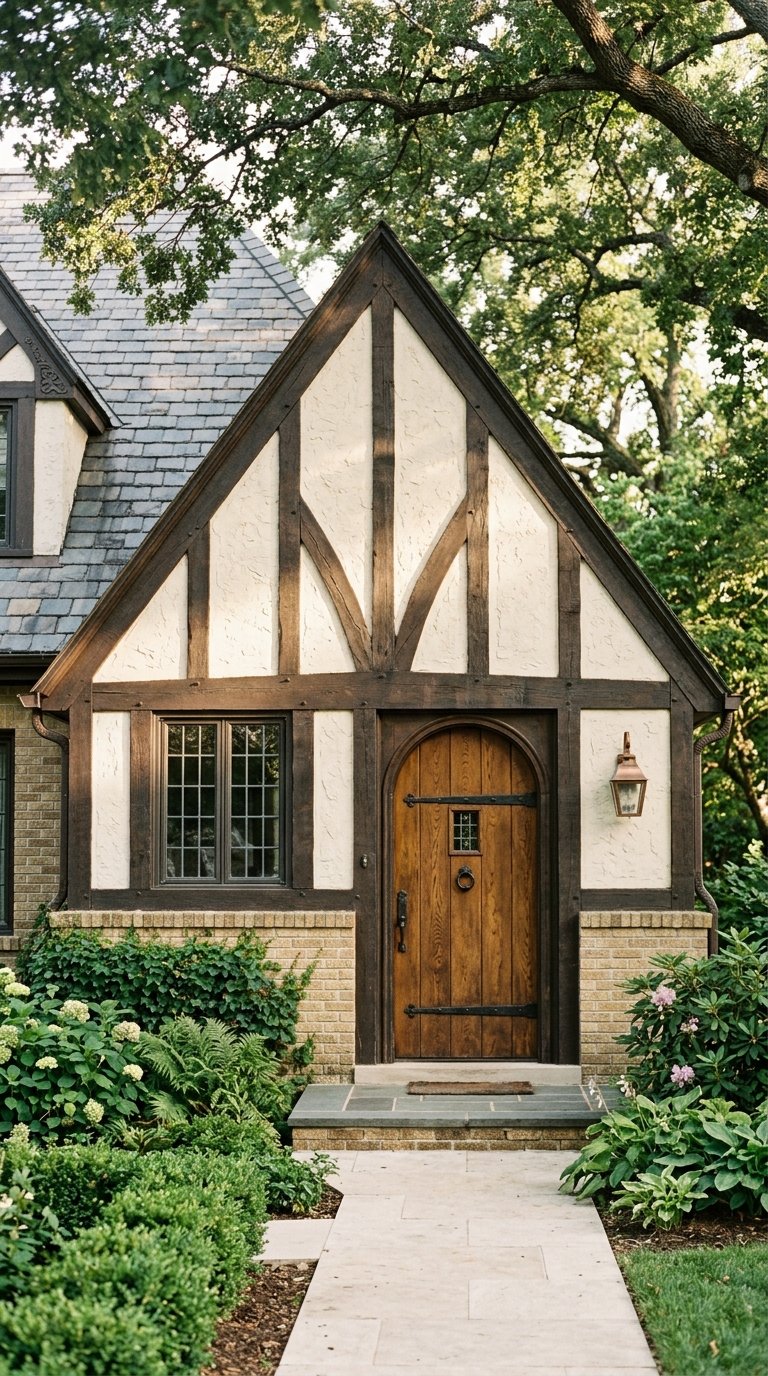
Piney Point feels established, but not frozen in time. Original and older homes still exist, but many have been renovated, expanded, or replaced with larger custom homes. The result is a mix of traditional estates, Georgian and Colonial inspired homes, French country designs, Mediterranean influences, transitional homes, modern builds, and custom properties that were clearly designed around the land.
Police, fire, and city services
Like the other Villages, Piney Point Village has local services.
Police service is provided by the Memorial Villages Police Department, which serves Piney Point, Bunker Hill, and Hunters Creek. Fire and emergency medical services are provided by the Village Fire Department, which serves all six Memorial Villages.
Piney Point Village has its own city hall, its own mayor and council, its own public works department, its own permitting process, and a public safety presence that feels more personal than what many buyers are used to in larger jurisdictions. Piney Point feels like a small city inside west Houston, and many buyers appreciate the sense of consistency and attention to neighborhood character that comes with that structure.
This also means the exact address matters. A home in Piney Point is not handled the same way as a home in Bunker Hill, Hedwig, Spring Valley, or Hunters Creek. The broader Memorial Villages identity is helpful, but buyers should always understand which village they are actually buying into.
Piney Point Village real estate
Piney Point Village is primarily a single-family home market, and land is a major part of what drives value.
The village includes original homes, renovated older homes, custom builds, and newer construction. Many older homes have been replaced over the years, especially where the lot size, street, and location support a larger new home. That pattern is common throughout the Memorial Villages, but Piney Point has its own feel because so many properties are defined by larger lots, privacy, and mature trees.
One of the interesting aspects of Piney Point is the range of architecture. Buyers will find traditional brick homes, Georgian and Colonial inspired estates, French country properties, Mediterranean designs, contemporary homes, and newer transitional construction. There are also older ranch-style homes and mid-century homes, some updated and some more likely to be valued for the land.
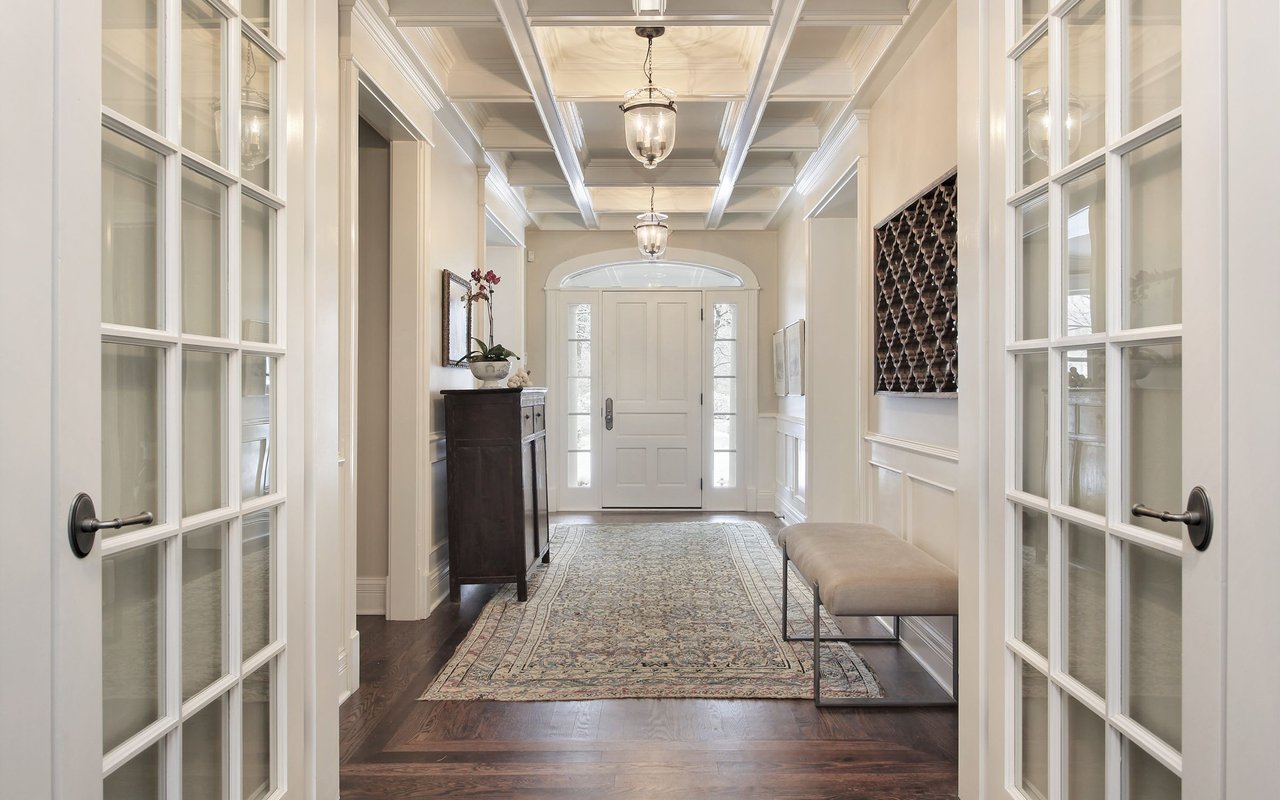
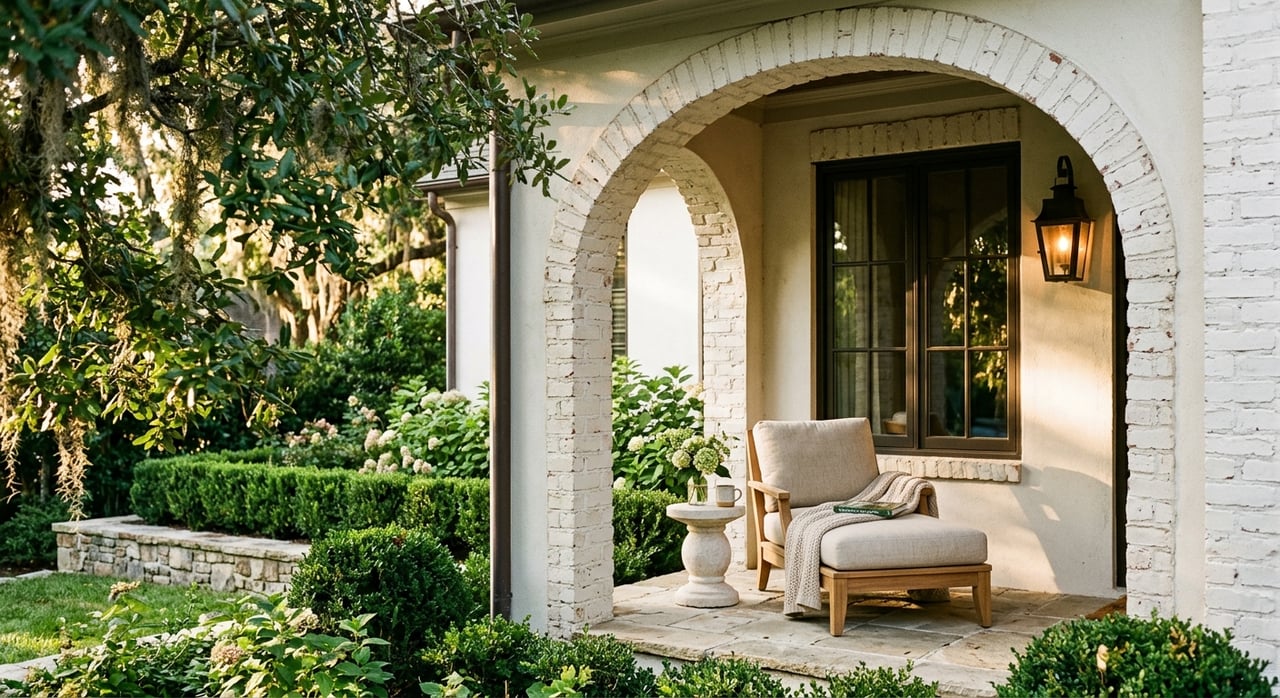
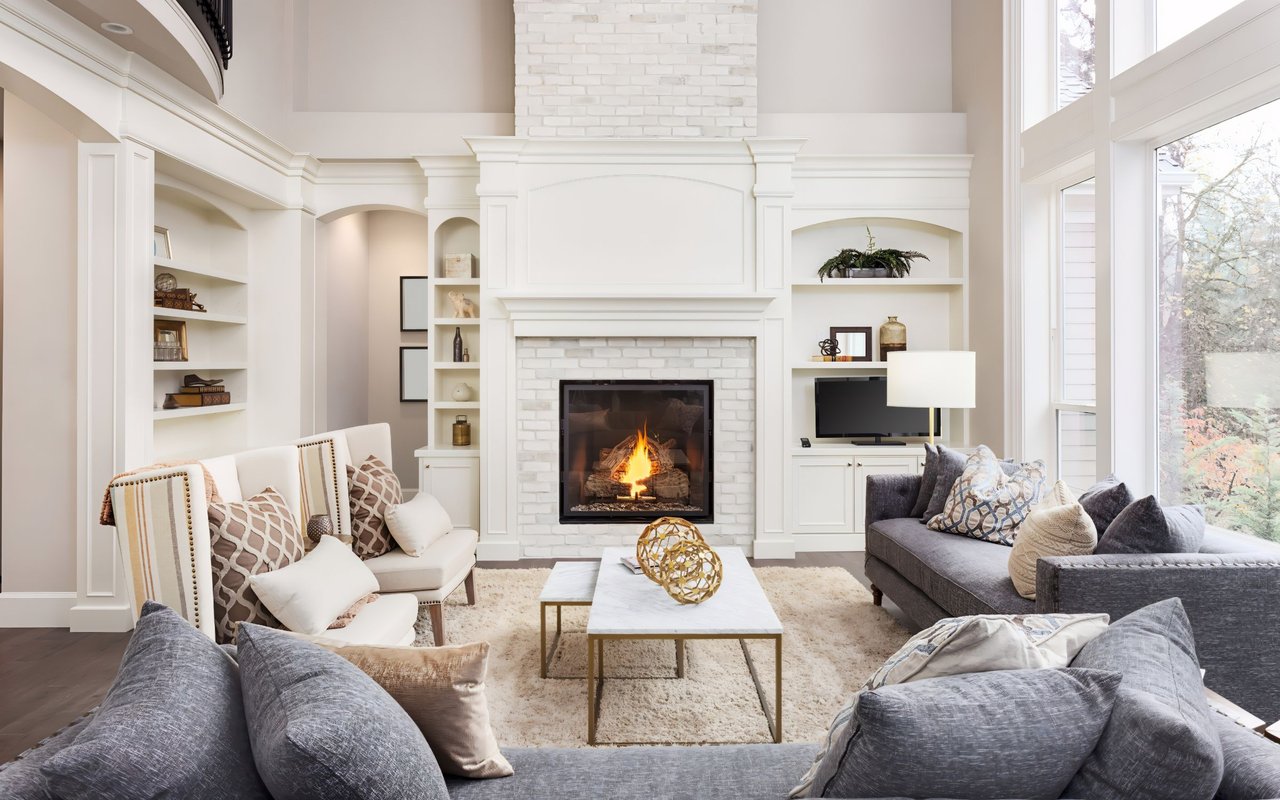
The architecture is one of the things that makes Piney Point interesting. Buyers will find everything from classic Georgian and Colonial inspired estates to French country homes, Mediterranean designs, transitional builds, and contemporary custom homes. Some properties feel formal and grand, while others are intentionally understated from the street. Older homes often benefit from mature landscaping and a sense of place, while newer homes tend to focus on open layouts, larger entertaining spaces, and a stronger connection between indoor and outdoor living.
Piney Point homes tend to offer generous lots and many buyers come here looking for larger parcels. A Village acre is 40,000 square feet, not the standard 43,560 square feet. Some homes in the village are also smaller grandfathered properties that should be evaluated carefully.
That difference matters. Lot size affects privacy, setbacks, pool placement, outdoor living, future expansion, tree preservation, drainage, and long term value. A larger lot is often an advantage, but only if the home is well positioned and the yard is usable.
The city also has specific development standards, including rules that affect lot coverage, trees, signage, drainage, construction, and permitting. That matters for buyers considering new construction, major remodeling, additions, pools, outdoor kitchens, generators, guest quarters, or any project that changes how the property is used.
In Piney Point, buyers should be careful about relying too heavily on price per square foot. Land often drives value as much as the house itself. A smaller home on a premier lot may be worth more than a much larger home on a less desirable street. Buyers should pay attention to lot size, lot shape, privacy, tree canopy, drainage, and how the home is positioned on the property. In many cases, those factors have a bigger impact on long term value than an extra bedroom or a few hundred additional square feet.
Buyers should pay attention to more than just the house itself. Frontage, lot shape, depth, mature trees, drainage, neighboring properties, traffic patterns, and overall privacy can all have a major impact on value and day to day enjoyment. The most expensive Piney Point homes tend to be the ones that combine a great home with a great lot, a good street, and the flexibility to meet both current and future needs.
Schools
Schools are a major reason buyers consider Piney Point Village, but this is one area where it pays to be precise.
Unlike some of the other Memorial Villages, Piney Point includes addresses that fall within both Spring Branch ISD and Houston ISD. Because of that, buyers should never assume school assignments based solely on the village name or a nearby street.
Many Piney Point homes are zoned to highly sought after Spring Branch ISD schools, including Memorial High School, but attendance boundaries vary depending on the exact location of the property. If schools are an important part of your decision, verify the zoning for the specific address before moving forward.
For buyers leaning more toward private education, Piney Point has several options nearby. The Kinkaid School and St. Francis Episcopal School are both located within the village, and several other well known private schools are a short drive away, including Duchesne Academy, St. Cecilia Catholic School, Second Baptist School, and First Baptist Academy.
This combination of respected public schools, nationally recognized private schools, and convenient access is one of the reasons Piney Point remains especially attractive to families relocating to Houston.
Everyday life in Piney Point Village
Life in Piney Point tends to revolve around home. Large lots, mature landscaping, and quieter streets create a setting where people spend more time enjoying their own property, whether that means entertaining outdoors, spending time by the pool, gardening, or simply having room to spread out.
One of the advantages of the village is that it feels removed from the pace of the city without actually being far from it. Grocery stores, restaurants, fitness studios, medical offices, and everyday services are within minutes.
Private schools, country clubs, and community organizations are woven into daily life for many residents. The Kinkaid School and St. Francis Episcopal School are located within the village, while Lakeside Country Club, The Houstonian, and The Forest Club are all nearby. For some buyers, that convenience is part of the lifestyle.
Outdoor recreation is also easy to access. Memorial Park, Buffalo Bayou trails, and the broader Memorial area provide opportunities for running, cycling, golf, tennis, and time outdoors. The village itself is known for its tree canopy and residential character, which contributes to the sense of privacy many buyers are seeking.
For commuters, Piney Point offers a central west Houston location. The Energy Corridor, Uptown, the Galleria, Downtown, and Memorial City are all reasonably accessible, making the area attractive to executives, business owners, and professionals who want more space without giving up convenience.
Ultimately, Piney Point appeals to buyers who value privacy, land, and a quieter pace of life. It offers a residential experience that feels insulated from the city while still keeping Houston's major destinations within easy reach.
A note on flooding and drainage
Flooding and drainage should always be part of the conversation in Piney Point Village.
That does not mean every property has the same risk. It means buyers need to be specific. Buffalo Bayou, ravines, drainage corridors, lot elevation, previous flooding, slab height, surrounding redevelopment, drainage improvements, and detention requirements all matter.
Piney Point’s proximity to Buffalo Bayou is part of what gives the village its wooded character, but it also means buyers need to understand how water moves around a property. A home near a bayou edge, ravine, or drainage channel should be evaluated differently from a home on a higher interior street.
Before buying, ask for the seller disclosure, prior flood history, survey, elevation information if available, drainage plans for newer construction, and any documentation related to improvements or detention. If the home is older, understand whether it has been affected by past storm events. If the home is newer, understand how the drainage system was designed and whether the final work matched the approved plan.
Tree preservation and drainage can also intersect. Mature trees are one of the defining features of Piney Point, but redevelopment, grading, pool placement, and added hardscape can change how a lot performs during heavy rain.
Two homes on nearby streets can have very different histories. This is why Piney Point homes need to be evaluated at the street and property level, not just by village name.
Piney Point Village history
Piney Point has deep roots in west Houston. The city traces its origins to an 1824 land grant centered on a wooded rise along Buffalo Bayou known as Pine Point. That location became a landmark for early travelers moving between Harrisburg and San Felipe de Austin.
By the late nineteenth century, Piney Point was connected to the Texas Western Railroad and was part of a small agricultural community with ties to German farmers, timber activity, and nearby sawmills. Long before the Memorial Villages became luxury residential areas, this part of west Houston had a rural identity shaped by trees, land, and the bayou.
Piney Point incorporated in the 1950s as Houston expanded west. Like the other Memorial Villages, incorporation was about having more control over the area. Residents wanted a say over land use, services, development, and the character of the community.
That decision still shapes Piney Point today. The village remains residential, with local rules designed to protect its quiet character, tree canopy, and low density feel. Over time, older homes have been renovated or replaced, and prices have moved dramatically higher, but the central idea has stayed consistent: privacy, land, trees, local services, and residential.
Piney Point’s appeal today is closely tied to those decisions. The emphasis on large residential lots, protecting the residential character of the village, limited commercial development, and preservation of the tree canopy helped create the character buyers see today. That long-term approach is one of the reasons Piney Point continues to stand out as one of Houston’s most established and sought-after residential communities.
Lisa and Shannon’s Insider Take on Piney Point Village
Is Piney Point Village its own city?
Yes. Piney Point is part of the Memorial Villages, but it is also its own incorporated city. It has its own city hall, mayor, council, ordinances, public works, and permitting process. That independent city structure is a major part of the appeal.
How does Piney Point compare to Bunker Hill and Hunters Creek?
Piney Point often feels more secluded and estate driven. Bunker Hill feels polished and residential, with a strong mix of larger and smaller lots. Hunters Creek has a slightly closer-in feel because of its position toward Voss, Memorial, and the Loop. Piney Point is usually the choice for buyers who want privacy, large lots, mature trees, and a quieter setting.
Is Piney Point one of the most expensive Memorial Villages?
Yes. Piney Point is typically one of the more expensive villages, especially for larger lots, newer construction, and estate properties. That said, price depends heavily on the individual property. Lot size, street, trees, drainage, privacy, and construction quality all matter.
Are all lots in Piney Point large?
No. Piney Point is known for larger lots, and many properties feel very generous, but not every lot is the same. Some smaller properties are grandfathered, and those can feel very different from the larger estate sections. Lot size, lot shape, and usable outdoor space should all be evaluated in person.
Does a bigger lot always mean a better property?
Not necessarily. A larger lot is valuable, but layout matters. Some homes sit beautifully on the lot with strong privacy, space for a pool, and plenty of usable outdoor space. Others have awkward setbacks, drainage challenges, or less usable yard than buyers expect. You want to understand both the size of the lot and how the home actually lives on it.
Is new construction common in Piney Point?
Yes. Newer construction is common, and the teardown and rebuild cycle has been active for years. That said, original and renovated older homes still exist. Some are excellent candidates for updating, while others are valued mostly for the land. Buyers considering construction should understand Piney Point’s rules before making assumptions about what can be built.
What should buyers watch out for?
Drainage, lot coverage, tree requirements, school zoning, construction quality, street traffic, and the exact village rules. Piney Point rewards careful buyers. Two homes can look similar online and feel completely different once you understand the street, lot, history, and long term flexibility.
Is Piney Point good for relocation buyers?
Very. The value proposition is easy to understand: privacy, large lots, trees, schools, local services, and access. For buyers moving from other major cities, the lot sizes can feel generous for the location. The main adjustment is that Piney Point is not a walkable urban neighborhood. It is a private residential setting where daily life is mostly car dependent.
Who is Piney Point Village really for?
Piney Point is for buyers who want a Houston home with privacy, land, mature trees, strong local services, and a sense of stability. It is not the place to buy if you want nightlife or walkability outside your door. It is the place to buy if you want a quiet residential setting, estate like lots, strong schools, and one of the most established luxury addresses in west Houston.
Shannon and Lisa of Property Collective Group know Piney Point Village at the street level and work with buyers and sellers throughout the Memorial Villages. If you want a candid read on whether Piney Point fits your search, reach out for a conversation. Text (713) 320 3335 or email [email protected].