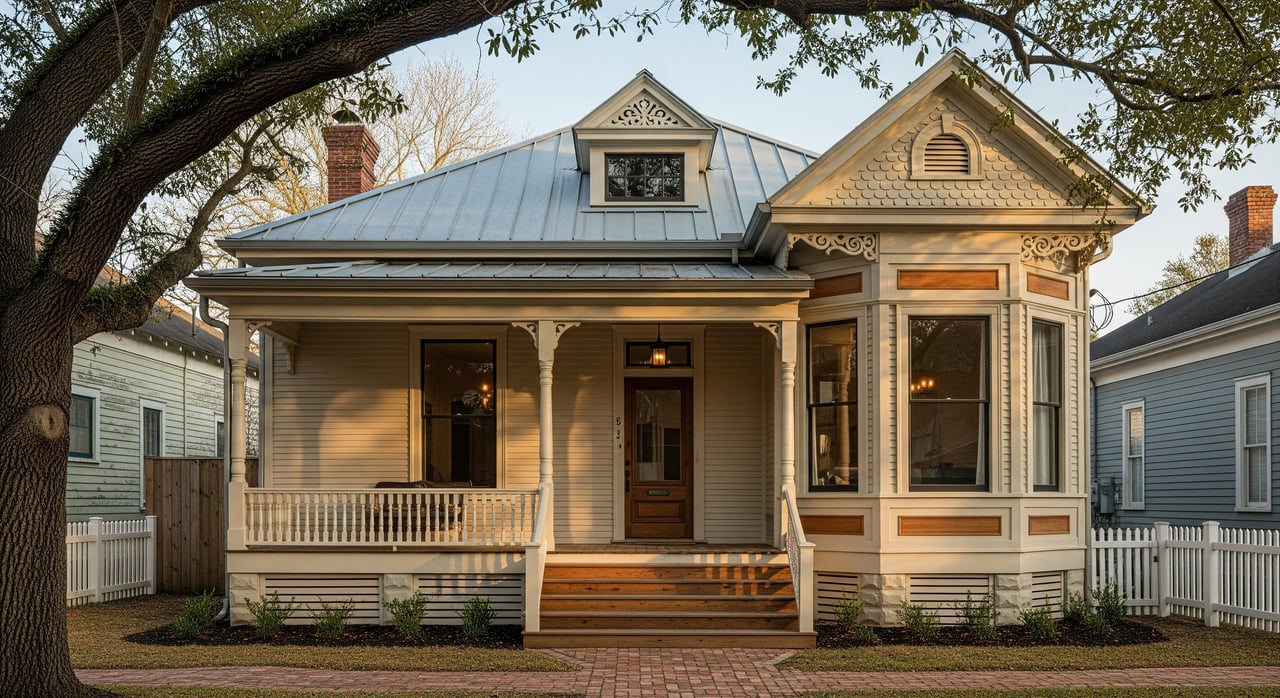
Thinking about buying a bungalow or period home in Greater Heights? You’re smart to ask how historic district rules could affect your plans to renovate, add on, or build a garage. The right home in the right district can be a joy to own, but it comes with a clear process and expectations. This primer shows you what “historic district” really means, what the rules typically cover, how approvals work, and the time and cost considerations to plan for. Let’s dive in.
What “historic district” means
Not all designations work the same. Local historic or conservation districts are what regulate exterior changes and new construction. In Houston, local district rules and approvals are administered by city historic preservation staff and a preservation commission. If you buy in a local district, you can expect city-level review for visible exterior work.
A property listed on the National Register of Historic Places is different. National Register status is honorary and does not by itself restrict private owners’ work. Local protections come from municipal designations and ordinances, not the federal listing.
You may also see deed restrictions or HOA covenants in some neighborhoods. These are private rules that can exist alongside city requirements. It is wise to confirm both municipal status and any private restrictions during your option period.
Many homes in a historic district are labeled as either contributing or non-contributing. Contributing homes have period character intact and typically face stricter review to keep that character. Non-contributing properties are usually newer or heavily altered and may have more flexibility, depending on local guidelines.
Enforcement of local rules is handled by the city’s planning or historic preservation office and a preservation commission. Violations can lead to stop-work orders, corrective actions, and fines. The specifics vary by city, so build in time to verify current policies before you start work.
What rules cover in Heights
Design guidelines focus on preserving the district’s overall character. While details vary by address and scope, you will commonly see requirements in these areas:
- Site and massing: setbacks, building footprint, height, and lot coverage.
- Orientation and rhythm: front entries, porches, and window patterns that relate to the streetscape.
- Roofs: roof form, pitch, eaves, dormers, and visible materials.
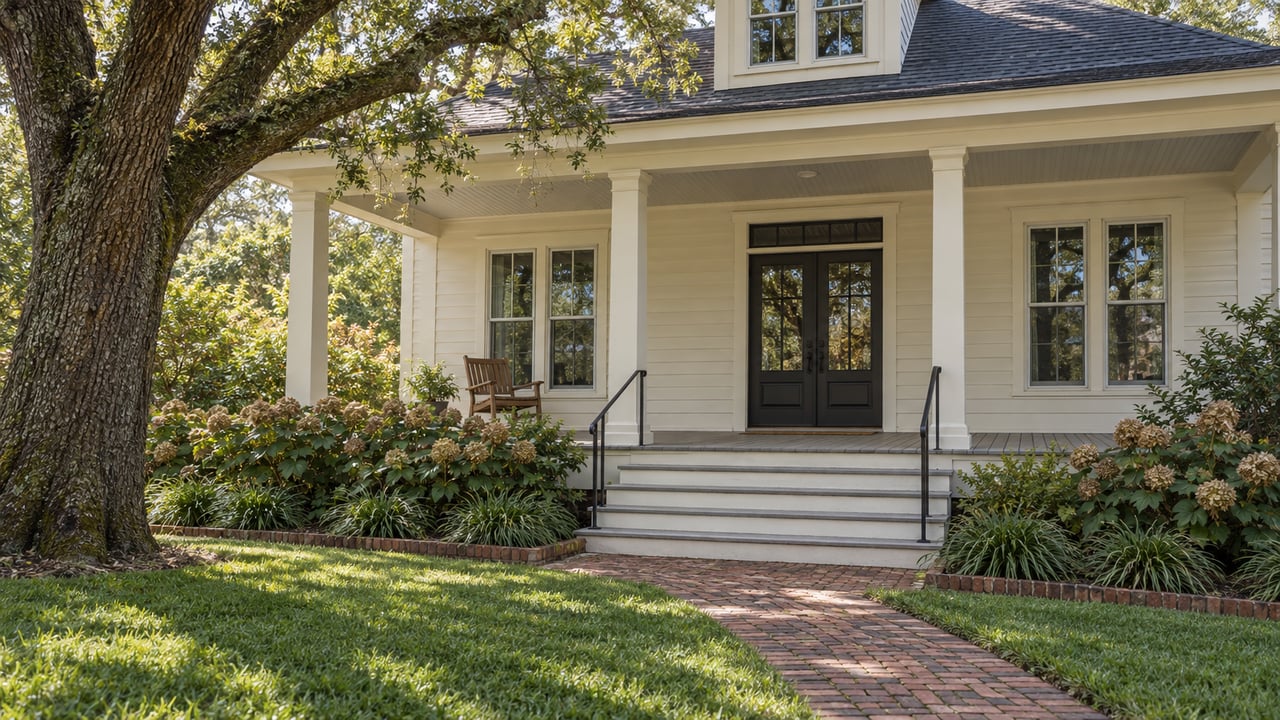
- Porches and entries: retaining or rebuilding porches with appropriate dimensions and details.
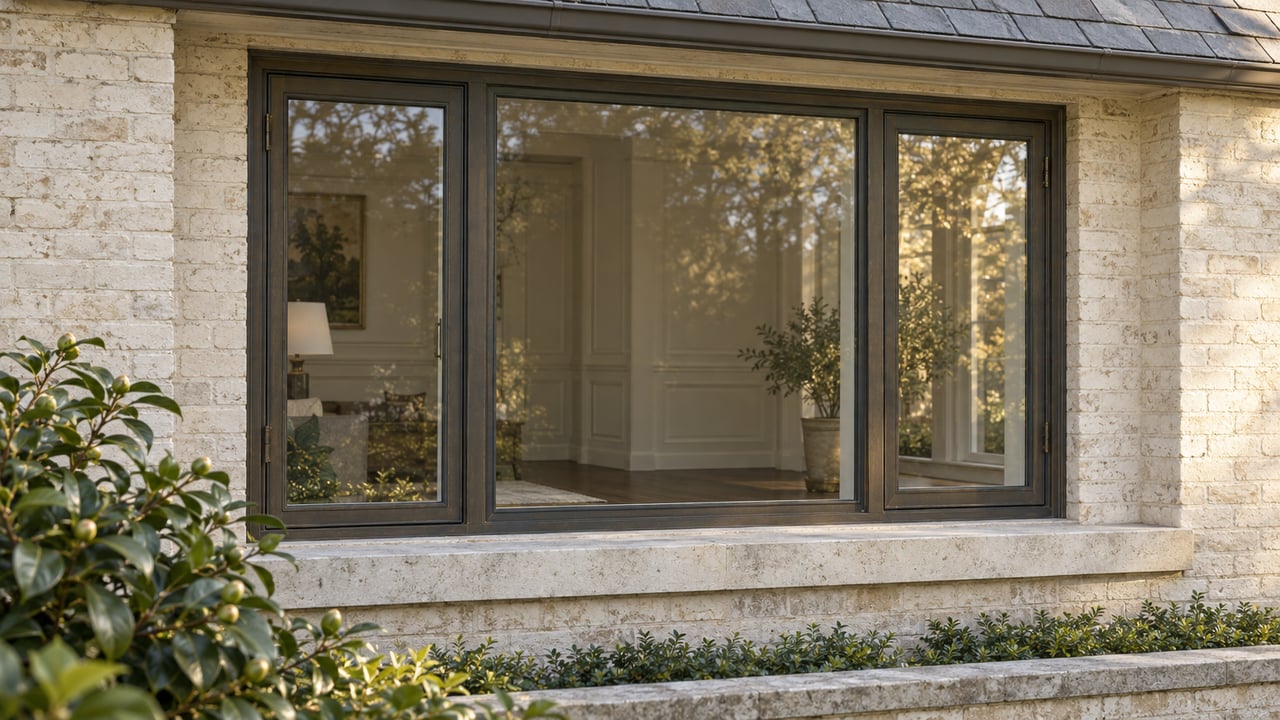
- Windows and doors: repair over replacement when feasible, and matching original profiles and divisions if replacements are allowed.
- Exterior materials: period-appropriate siding, brick, or stucco, and caution with materials that change the home’s texture or trim.
- Additions and new construction: additions are typically set back and subordinate in scale; new homes should be compatible in massing and materials without pretending to be historic.
- Secondary structures and site features: garages, driveways, fences, visible mechanicals, and outbuildings often have placement and screening standards.
- Demolition: removing a contributing structure is usually closely reviewed and can be limited or conditioned.
The big idea is simple. Keep what is significant, repair before replacing, and make new work visually compatible and secondary to the historic home.
COA approvals and timelines
Most exterior work visible from the street in a local district requires a Certificate of Appropriateness, often called a COA. This includes façade changes, porch work, window changes, driveway or major landscape alterations, new additions, new construction, and demolition. Interior-only work is typically not regulated.
There are two common review tracks. Staff-level review can approve routine items like in-kind repairs and small changes. Larger alterations, additions, demolitions, and more complex projects usually go to a public hearing before the preservation commission.
Plan your timeline accordingly. Staff reviews often run 2 to 6 weeks from application to decision. Commission reviews can take 6 to 12 weeks or longer, especially if revisions are requested or if multiple hearings are needed. Because building permits typically depend on an approved COA, you will want to secure your COA before you expect a permit.
Applications usually include site plans, elevations, photos, material notes, and a brief narrative that explains how your proposal meets the guidelines. Fees vary by city and scope. If safety is at risk, emergency stabilization may be expedited, but documentation and follow-up approvals are still common.
Budget and planning impacts
Historic district projects can carry extra soft costs. You may need an architect or designer to prepare COA-ready drawings and to refine details that align with guidelines. Materials that match original profiles or textures can cost more up front but help preserve value and character.
Expect some construction changes to meet compatibility standards, such as stepping back additions, adjusting rooflines, or ordering custom windows. On the plus side, repairing original features like wood windows can be cost-effective over time and helps maintain the home’s historic appeal.
For complex projects, add budget contingencies for design revisions and specialized trades. You will also want a schedule buffer for reviews, resubmittals, contractor availability, and material lead times.
Team and financing tips
Choose design and construction partners with local historic district experience. A team that knows Greater Heights preferences can anticipate questions and help you submit a complete, persuasive application. Reviewing recent COA cases or commission minutes can offer insight into what is commonly approved.
Lenders may take a conservative approach when there are restrictions on future changes. Confirm your lender is comfortable with the property’s historic status and approval timelines. Renovation loan products may be available, but disbursements often depend on milestones that align with the COA process.
For insurance and inspections, older homes sometimes require specialized attention. Ask your inspector to note conditions like wood rot and to suggest preservation-minded repairs rather than blanket replacements where feasible. This can keep your project both compliant and cost-conscious.
Manage risk and due diligence
Before you make any offers contingent on renovations, verify past work. Ask the seller for previous COAs, permits, and any notices from the city. Cross-check city records to confirm that additions or replacements were approved and that there are no outstanding violations.
Unpermitted exterior work in a district can lead to stop-work orders and required restorations. If you discover unapproved changes, factor the potential remediation into your offer and project timeline. For a major addition or new build, consider a pre-application conversation with preservation staff to surface issues early.
If demolition is part of your plan, know that removing a contributing structure is often limited and closely reviewed. Alternatives such as rehabilitation or relocation may be encouraged. The earlier you understand these constraints, the smoother your purchase and renovation roadmap will be.
Quick buyer checklist
- Confirm whether the property is inside a local historic or conservation district and note its contributing or non-contributing status.
- Request copies of prior COAs, permits, and any enforcement notices from the seller and check city records.
- Schedule a pre-application discussion with preservation staff for larger projects.
- Engage an architect or contractor with local historic experience and budget for design revisions.
- Build timeline cushions for COA review, material lead times, and contractor scheduling.
- Confirm financing and insurance requirements for older homes and renovation loans.
- Investigate any federal, state, or local incentives and verify current eligibility.
Next steps with a trusted guide
Buying in Greater Heights can be a fantastic long-term move if you understand the rules and plan smart. When you have the right team, you can protect the home’s character, meet guidelines, and still reach your design goals. Our local experience and buyer representation help you make confident decisions on timing, pricing, and renovations in historic districts.
If you are weighing a Heights bungalow or period home, let’s talk through your plan and timeline. Connect with the team at Property Collective Group to map your next steps with clarity and care.
FAQs
How to confirm historic district status in Greater Heights
- Check city historic district maps and property records, and ask the seller for any documentation. Verify whether the designation is local and regulatory or only National Register and honorary.
What a COA is and when you need it
- A Certificate of Appropriateness is required for most visible exterior changes, additions, new construction, and demolitions in a local district. Interior-only work is generally not regulated.
Typical approval timelines for Heights projects
- Staff reviews often take 2 to 6 weeks. Commission hearings can add several weeks to months, especially if revisions or multiple hearings are needed.
Replacing original windows in a historic home
- Many guidelines favor repair over replacement. If replacement is allowed, expect requirements to match original profiles, sightlines, and divisions. Storm windows may be encouraged.
Adding a second story or new garage in a district
- These are not automatically prohibited. Additions and accessory structures are usually allowed if they are compatible, subordinate in scale, and meet visibility and placement standards.
Demolishing a contributing house in Greater Heights
- Demolition of contributing structures is closely regulated and may be limited. Rehabilitation or relocation is often preferred, and demolition can trigger public review and conditions.