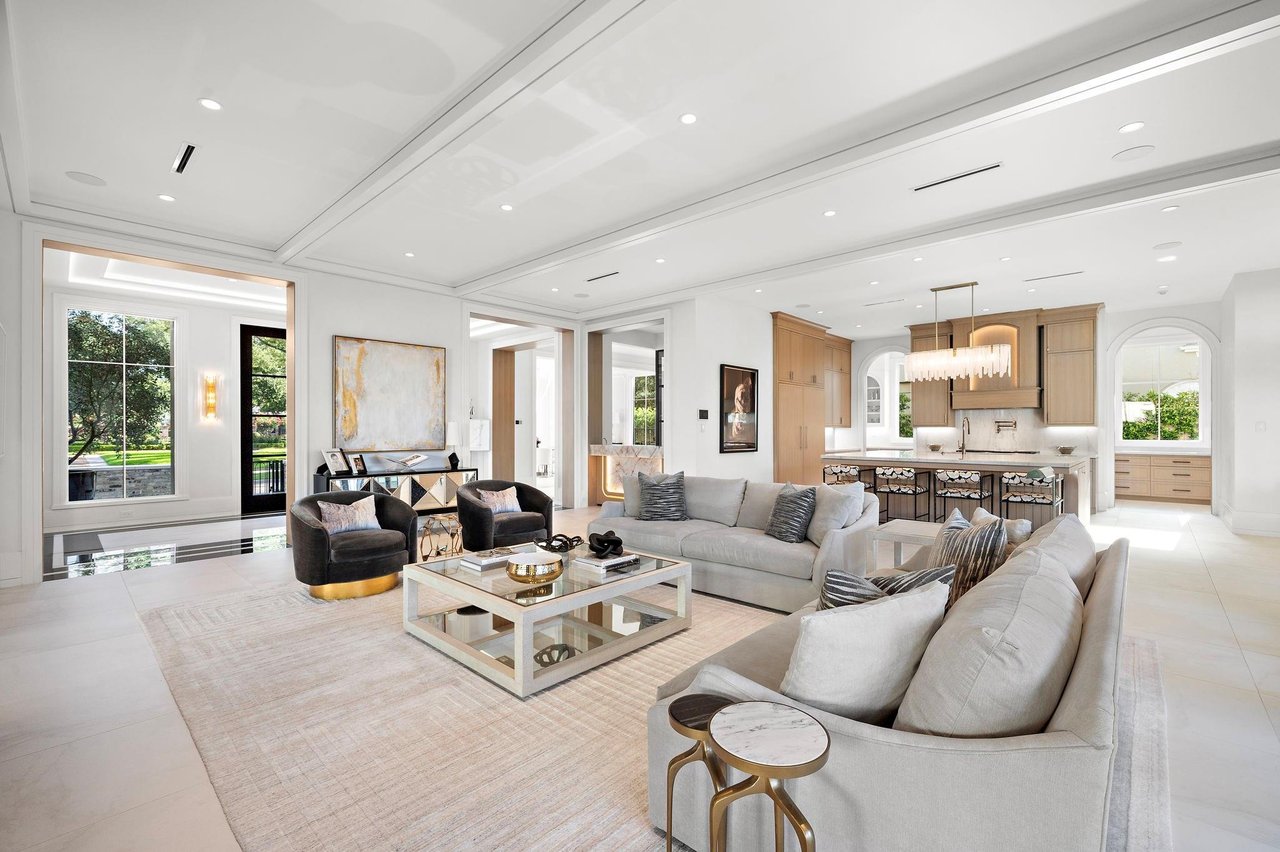
These days, buyers make decisions fast. Really fast.
Think about how dating works now. A few photos, a quick scroll, and it’s an instant yes or no. Home buying is not all that different. Buyers usually know within the first few minutes whether a home has potential or whether it’s already a pass.
That’s why first impressions matter so much. If buyers make it through the first floor and are still “crushing” on the house, the upstairs becomes the make or break moment. Poor closet space or a very dated bathroom can derail interest quickly. On the flip side, when a home continues to feel right, confidence builds fast.
For sellers, this is why early strategy matters. The way a home shows in those first moments often sets the tone for the entire experience and ultimately, the outcome.
Selling your Houston home can feel overwhelming, and having experts on your side matters. Contact us for a quick strategy call.
The Emotional Connection Buyers Are Looking For
There’s also the phenomenon agents call “the one that got away.” It’s the home buyers saw online that went under contract immediately, or the one they hesitated on and still think about. That house becomes the emotional measuring stick for everything else they see. It’s tricky, especially because photos can be deceiving, which is why seeing homes early and often is so important. It helps buyers understand tradeoffs and recognize the right home when it shows up.
So what actually creates that emotional connection?
Natural light and views are at the top of the list. Buyers also respond strongly to spaces that remind them of a happy place they’ve lived before, or solve a frustration they have in their current home. Sometimes it’s not about the features on paper, but the feeling of standing in a space and imagining daily life there.
I see it happen all the time. The audible “oooh wow” when a client turns the corner and finds the oversized walk-in pantry she’s been dreaming about for years — not because it’s trendy, but because she can already picture organized shelves, holiday baking, and never running out of storage again. Or the quiet smile from a buyer who walks over to a window seat and says, “I’d have my coffee here every morning.” Suddenly it’s not just a nook — it’s a future routine, a moment of peace built into the day.
And sometimes it’s about connection. Like the dad of three who steps into a moody, paint-drenched study and immediately says he can’t wait to host poker night there. In that instant, the room stops being a “home office” and becomes a place for laughter, friends, and memories waiting to happen.
Those are the moments when a house starts to feel like their home — not because of a bullet point on a listing sheet, but because they can see their life unfolding inside the walls.
Where Buyers Lose Interest and Where Sellers Lose Momentum
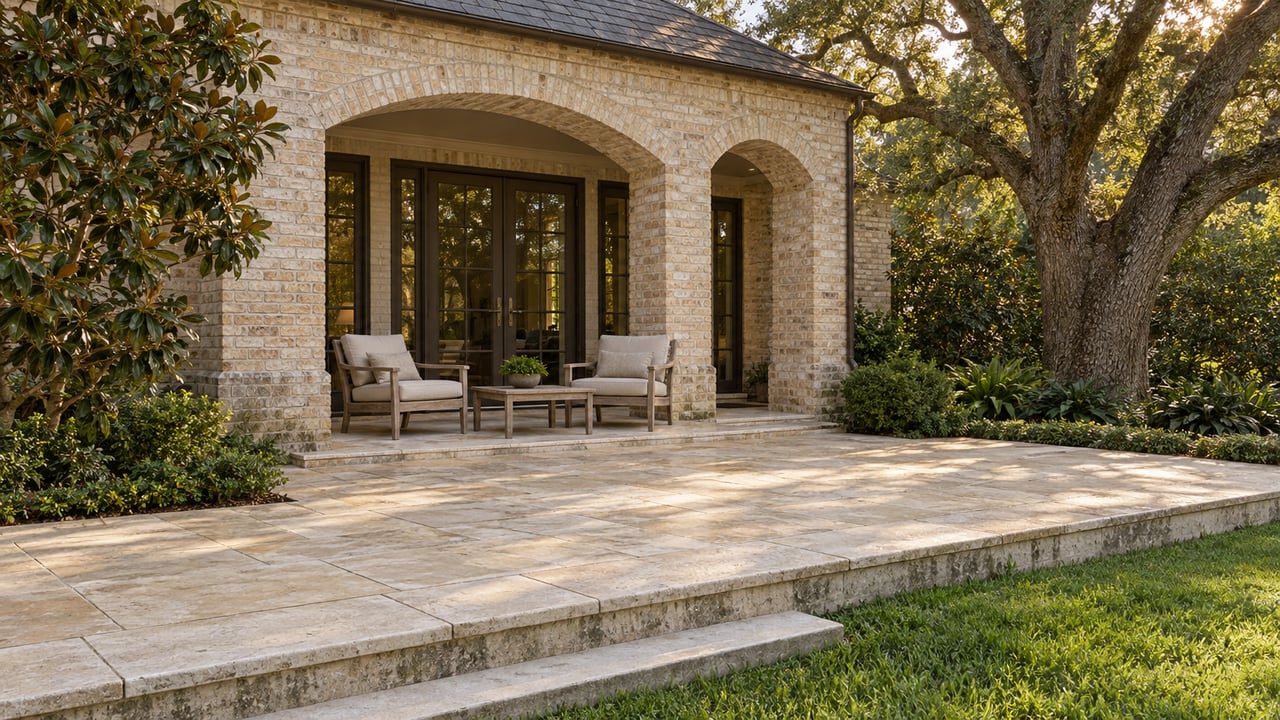
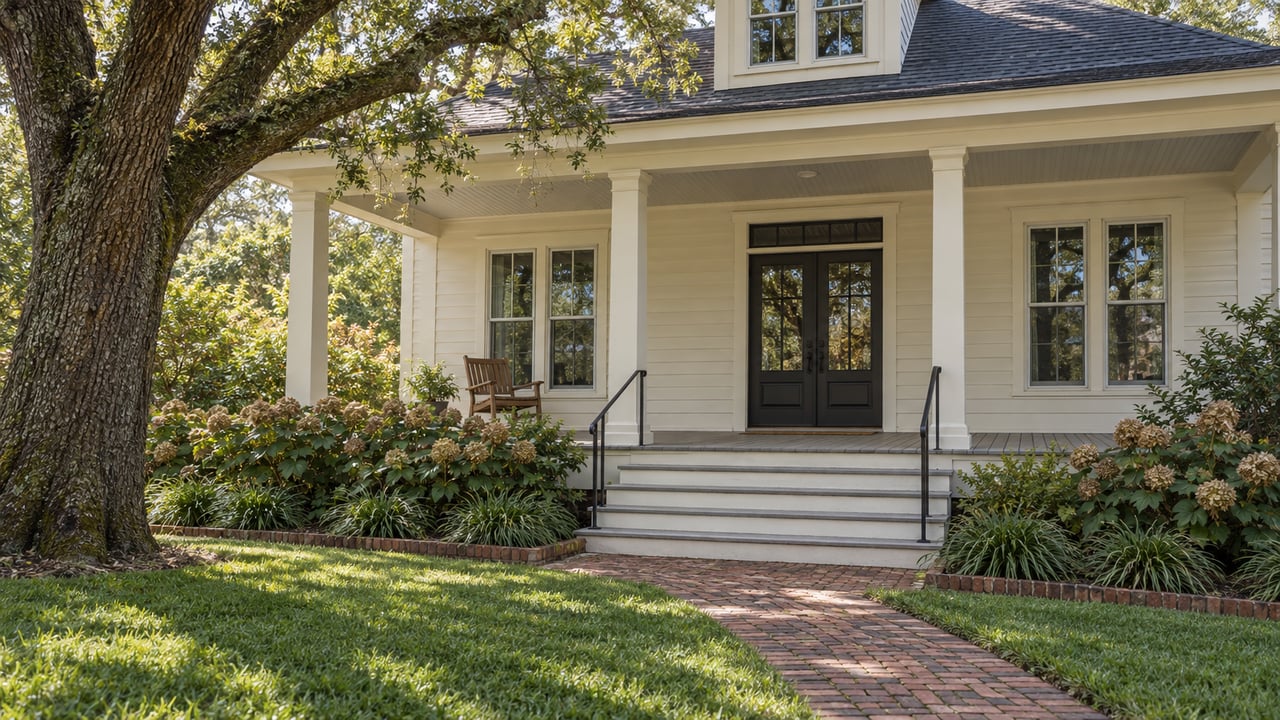
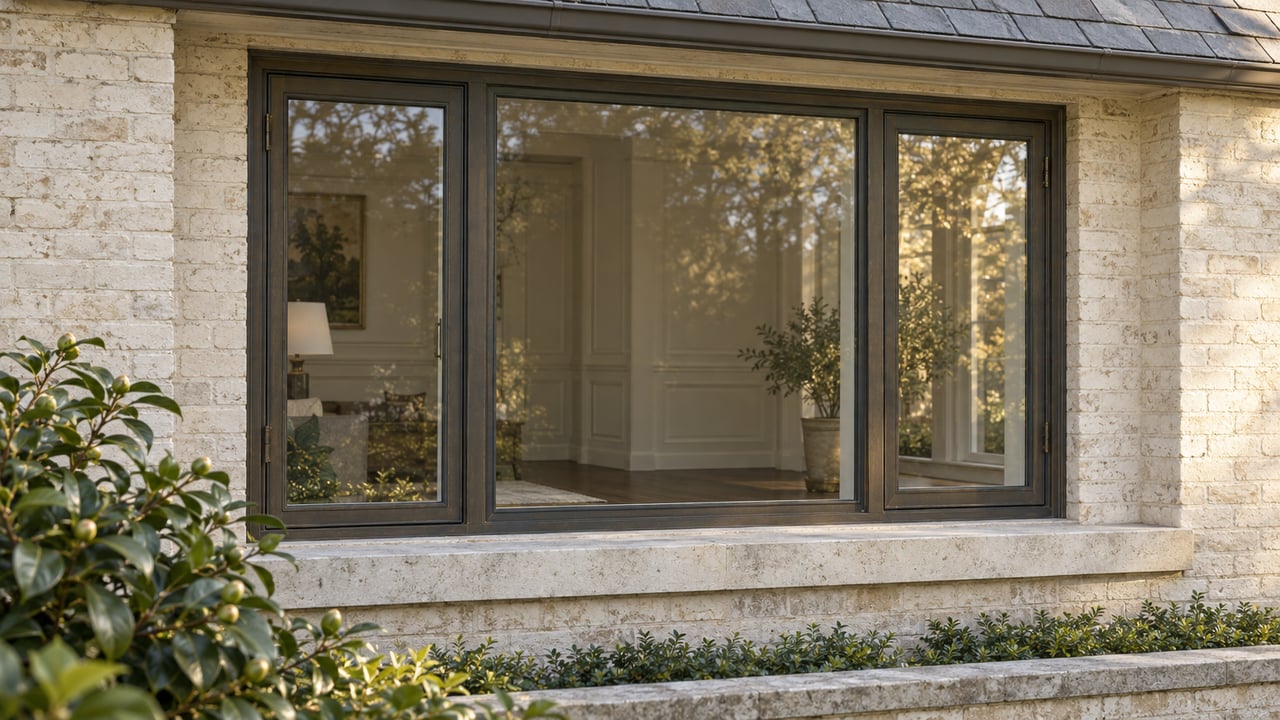
What sellers often underestimate is how quickly buyers notice cleanliness and condition. It starts before they even step inside. The front exterior and entry set the tone. If something feels dirty, neglected, or like it needs easy maintenance that was ignored, the commentary tends to follow that theme throughout the tour. Window coverings matter too. Heavy drapes or closed blinds can make a home feel closed off, even when it isn’t.
And then there are the fastest ways to lose a buyer in the first five minutes.
Staging that isn’t really staging can actually hurt. Furniture that doesn't fit the scale of the room, not grounded by a rug to define a space or a leftover rug in an otherwise empty room or a single chair sitting awkwardly in a corner creates a sad, unfinished feeling. Water stains of any kind raise red flags, even if the issue has already been fixed. Extremely dated countertops, dark finishes buyers cannot live with temporarily, or bold choices like red cabinetry tend to stop buyers from seeing past the present moment.
Why Presentation Matters More at the Luxury Level
Luxury buyers aren’t different in how they fall in love with a home. They still respond to light, flow, proportion, and that emotional pull when a space just feels right.
Where they are different is in what pulls them out of that feeling.
At higher price points, buyers expect visual ease. When something feels slightly off — furniture that’s too small for the scale of the room, lighting that reads builder-grade, finishes that compete with the architecture, or a space that photographs better than it actually lives — it introduces doubt. And at this level, doubt slows everything down.
Because luxury buyers aren’t just buying square footage — they’re buying a lifestyle. They’re asking themselves:
- Does this reflect where I am in life?
- Can I entertain the way I want to?
- Does this feel effortless… or like another project?
We’ve seen this play out clearly with two different clients.
The first couple walked into a home that checked nearly every box. Beautiful layout. Great light. Strong bones.
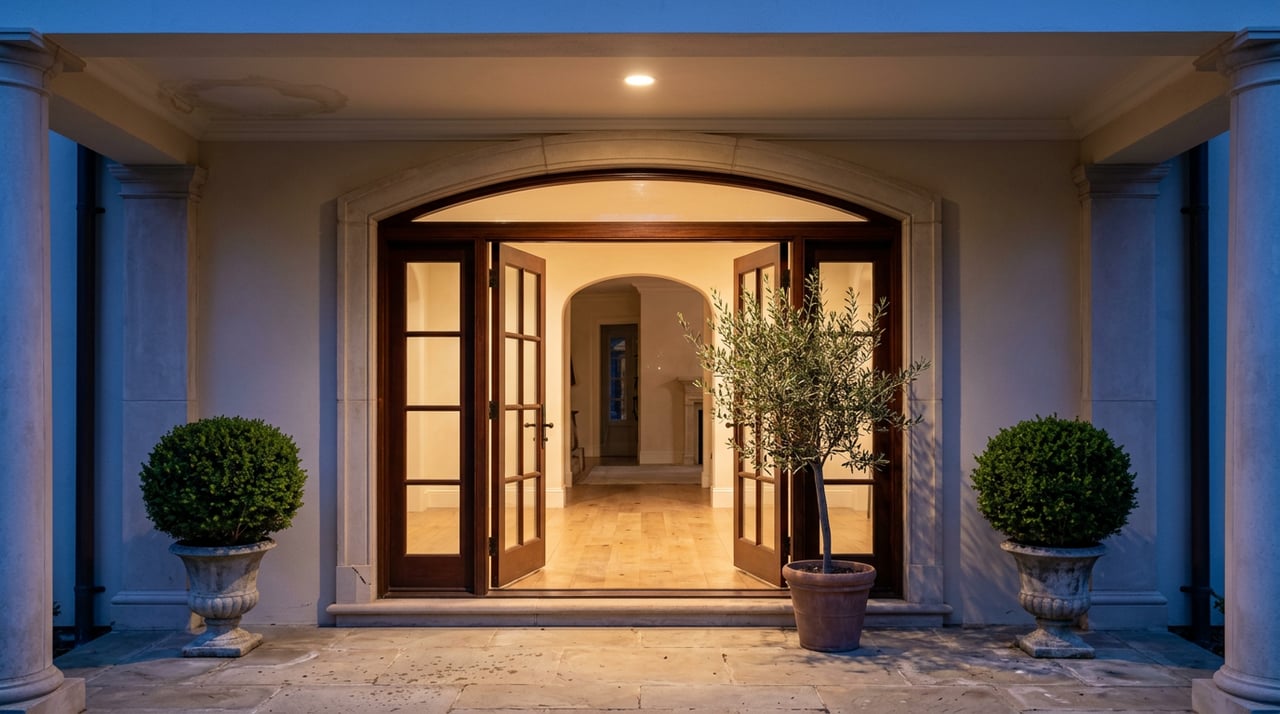
But as we moved from room to room, their comments shifted from admiration to adjustment. Replacing the French doors with iron doors. Swapping out several light fixtures. Reworking wallpaper in a few areas that didn’t feel like them.
Individually, each change felt small. Together, they created a growing mental renovation list, and that list began to dull the emotional spark they felt when they first walked in.
Another client had a similar reaction in a different home. It was beautifully done and clearly high quality, but not aligned with her personal style. As we toured, she started mentally editing the space, softening bolder design choices, adjusting finishes, and thinking through how long she’d live with things before changing them.
Individually, none of the changes felt overwhelming. Together, they made the move heavier than it should have.
That’s the distinction at the luxury level. Buyers are willing to elevate a home, but they hesitate when changes feel corrective rather than aspirational.
Effort at this stage has to feel elective, not necessary.
When we got in the car, one client summed it up perfectly:
“Our house now is actually fine. If I’m going to move, it has to feel easier than this.”
That’s why presentation matters more at the luxury level. It isn’t about perfection. It’s about protecting that first emotional pull, so buyers feel like they’re stepping into a lifestyle, not a project.
If sellers want buyers to fall in love fast, preparation is everything. Cleaning is non-negotiable. Maximizing natural light and using the right light bulb color makes a huge difference. Neutral paint still matters, but all white everywhere can feel sterile and flat. Thoughtful staging helps create moments throughout the home and can make less than perfect features feel acceptable. No home is perfect, and buyers know that. The goal is to help them see that this one could still be the one.
Agents see it all the time. Buyers say they’re just looking, not serious, not ready to commit. Then a house speaks to them. It’s a lot like wedding dress shopping. It could be the first one or the hundredth, but when it’s on, you know.
That’s what makes every showing interesting. Every home is unique, and every buyer responds differently. The magic happens when the right combination clicks.
If you’re thinking about selling your Houston home this year and want an honest conversation about how your home will feel to buyers in those first few minutes, that’s often the most valuable place to start. Reach out to schedule a quick strategy call with us!