Trying to choose between a brand-new home and an original property in Memorial West? It is a smart question, and in this part of Houston, there is no one-size-fits-all answer. Your best fit often comes down to how you weigh modern convenience against character, lot potential, and the rules tied to a specific address. Let’s dive in.
Memorial West offers two very different paths
Memorial West is made up of several Memorial-area neighborhoods within Houston’s Memorial super neighborhood, generally between I-10 and Buffalo Bayou, with Highway 6 along the western edge. The area’s first major residential development began in the 1950s, and that history still shapes the homes you see today.
That means your search may include both recent construction and a meaningful supply of mid-century homes. In neighborhoods like Memorial Bend, original homes can offer modern, ranch, and traditional architecture set among mature trees, with some homes carrying notable mid-century design appeal.
What new construction can offer
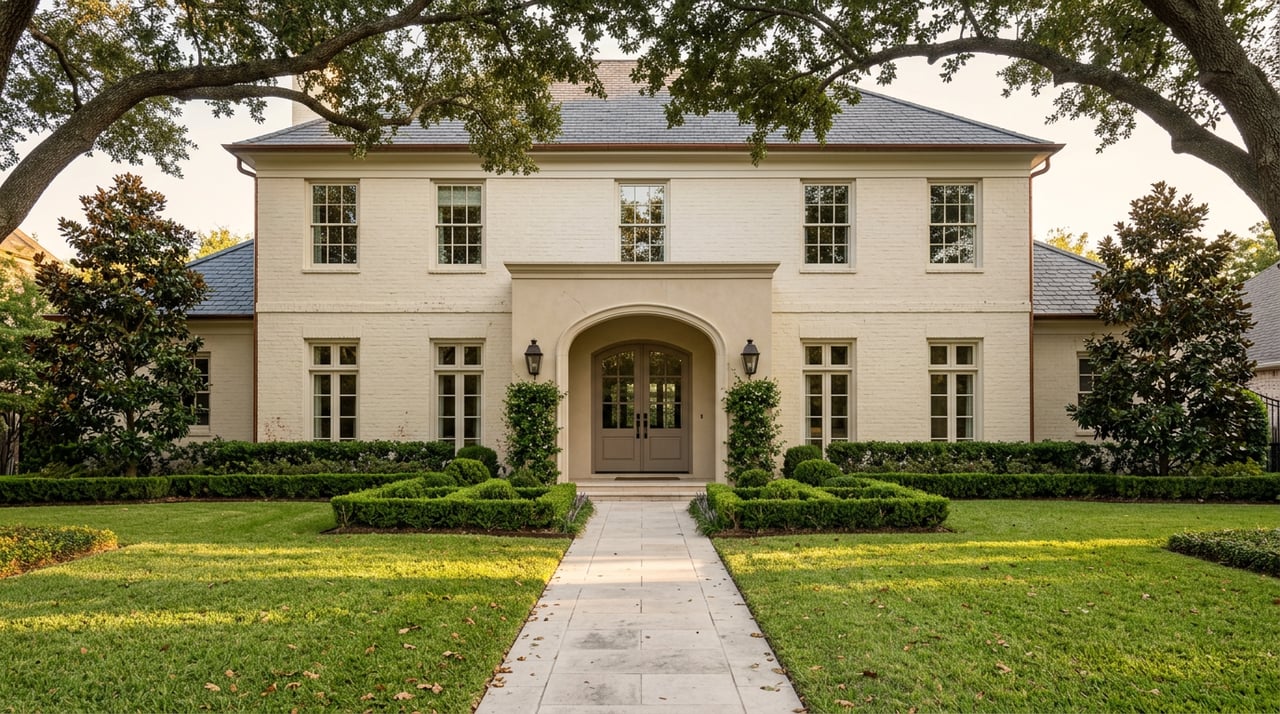
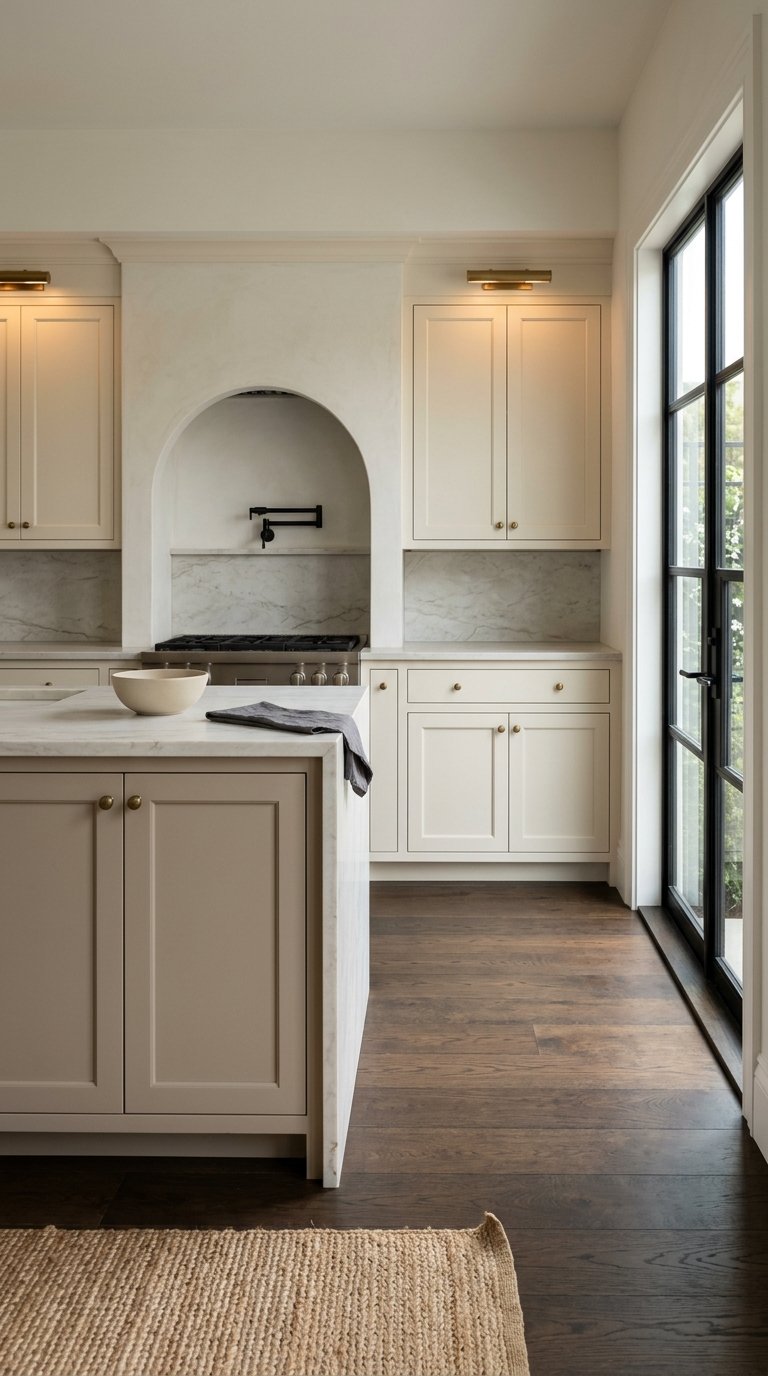
If you want a more current floor plan, new construction may feel like the easier choice. These homes often offer larger open living spaces, contemporary finishes, and newer systems that may reduce the need for immediate repairs.
That turnkey appeal matters if you want to move in and focus on daily life instead of planning updates. For many buyers, the biggest benefit is simplicity: fewer near-term projects and a layout designed for how people often live today.
Still, new does not always mean low obligation. One 2025 Memorial Bend new-construction listing included a $1,000 annual maintenance fee, so it is important to look beyond the finishes and review the ongoing costs tied to the property.
What original homes can offer
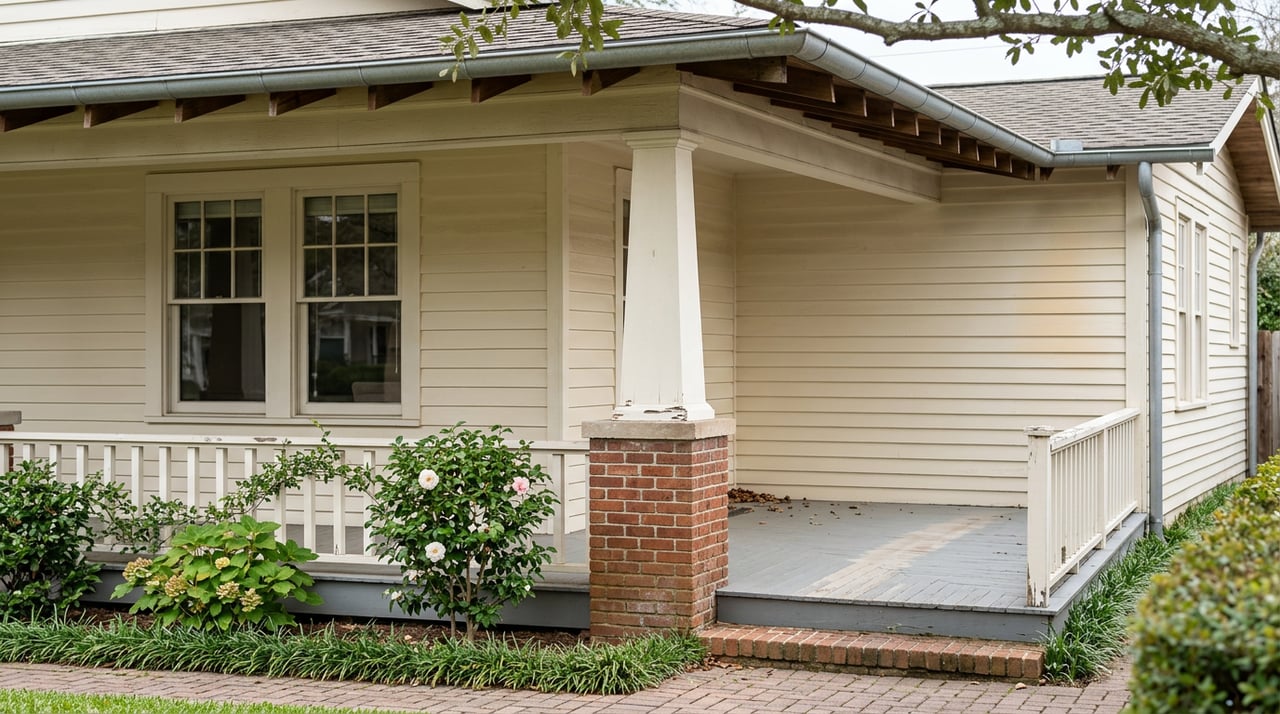
Original homes in Memorial West often compete on charm, setting, and lot value. In Memorial Bend, preserved 1950s and 1960s homes can include architectural details that are hard to recreate, especially when paired with mature landscaping and established streetscapes.
For some buyers, that character is the whole point. An updated original home may give you a strong location and appealing design details without the full cost of a custom new build.
There can be tradeoffs, of course. Older homes may require more planning around systems, finishes, and future renovations, especially when the condition varies from one property to the next.
Lot size matters as much as build year
In Memorial West, comparing homes by age alone can lead you in the wrong direction. Lot size, lot shape, setbacks, and easements can have just as much impact on long-term value and usability.
Local examples show how wide the range can be. A 2025 new-construction home in Memorial Bend offered 4,784 square feet on an 11,142 square foot lot, while original 1960 homes in the area ranged from about 2,964 square feet on an 8,481 square foot lot to 3,103 square feet on a 17,409 square foot lot.
That is why it helps to ask practical questions. How much yard do you want to keep? How much room is truly buildable? Would you rather pay for more interior square footage now, or buy a larger lot with future options?
Buildable space is not always obvious
A large lot does not automatically mean you can build exactly what you want. Memorial Bend HOA materials note a standard interior lot example of 8,050 square feet, or 70 by 115 feet, and also explain that some lots have greater setbacks or larger easements.
Those details can shrink the buildable envelope. If you are weighing teardown, expansion, or a major remodel, the lot’s actual constraints may matter more than the total square footage on paper.
This is one reason the “new versus original” decision is often really a “property A versus property B” decision. In Memorial West, the exact lot can change the answer.
HOA and deed restrictions can decide the choice
Houston does not have a citywide zoning ordinance, but it does regulate subdivision and site development, and recorded deed restrictions are enforceable. Those restrictions can control things like land use, setbacks, lot size, and the type and number of structures allowed.
In Memorial West, that matters because rules can vary by subdivision, section, or even by lot. A neighborhood name alone is not enough to tell you what is possible.
Several local communities have clear architectural review processes. Memorial Bend requires a review application and fee or deposit for new construction. Nottingham Forest requires ACC approval before exterior changes and encourages owners to submit major additions or new construction plans early. Wilchester also requires prior approval for exterior modifications, and Frostwood ties mandatory maintenance charges to lot square footage while requiring pre-approval for exterior changes.
Why address-specific research matters
If you are serious about a home, read the documents tied to that exact property. The recorded restrictions, HOA materials, architectural review requirements, and any easement information can affect whether a renovation or rebuild makes sense.
This is especially important if you are comparing an original home with renovation potential against a lot that might support new construction. Two homes on the same street can come with different practical limits depending on their recorded documents and site conditions.
In short, Memorial West rewards careful homework. The right decision is usually address-specific, not neighborhood-wide.
Floodplain and drainage should be part of the plan
Because Memorial West borders Buffalo Bayou, floodplain status and drainage history deserve close attention. Harris County recommends property-by-property floodplain review where applicable, and floodplain development can require permits.
Even if a property is outside a mapped flood zone, it may still be worth considering flood insurance needs as part of your overall cost picture. This is true whether you are buying a renovated original home, planning a major addition, or considering a teardown and new build.
How the current market affects your decision
As of April 2026, Memorial West had 2.5 months of inventory, a median sold price of $1,278,624, and an average of 25.2 days on market. That points to a market where well-positioned homes can still attract attention quickly.
In a competitive environment, both home types can perform well for different reasons. A new build may appeal to buyers who want turnkey convenience and modern systems, while a well-preserved or thoughtfully updated original home may stand out for architectural character, mature trees, and lot appeal.
The key is having a clear value story. Homes with strong curb appeal, compliant improvements, and thoughtful presentation tend to be better positioned in this market.
How to choose the right fit for you
If you are deciding between new construction and an original home in Memorial West, start with your priorities instead of the build year. Think about how you want to live in the home over the next five to ten years.
You may lean toward new construction if you want:
- A more open layout
- Newer systems and finishes
- Fewer immediate projects
- A move-in-ready experience
You may lean toward an original home if you want:
- Mid-century or traditional architectural character
- Mature trees and an established setting
- Lot potential for future changes
- A chance to customize over time
You should also weigh a few practical questions before you decide:
- What are the deed restrictions for this exact address?
- Are there easements or setbacks that limit expansion?
- What are the HOA or maintenance costs?
- What is the floodplain status and drainage history?
- Does the home’s condition match your timeline and budget?
The Memorial West answer is rarely simple
The strongest way to think about this market is not “new is better” or “original has more charm.” In Memorial West, the better choice depends on whether you value turnkey living and modern systems more than character, mature landscaping, and future lot potential.
Because the area includes multiple subdivisions with different rules and housing types, your best option often comes down to the details of one specific home. That is where local guidance can make a real difference, especially when you are balancing design preferences, resale goals, and the realities of restrictions and site conditions.
If you are weighing your options in Memorial West, Property Collective Group can help you compare homes with a clear, address-specific strategy and local insight.
FAQs
Should you buy new construction in Memorial West?
- New construction may be a strong fit if you want a more contemporary layout, newer systems, and fewer immediate repairs, but you should still review maintenance fees, deed restrictions, and lot-specific limitations.
Should you buy an original home in Memorial West?
- An original home may be a strong fit if you value architectural character, mature trees, and lot potential, but you should be prepared to evaluate condition, renovation needs, and long-term planning.
Do Memorial West neighborhoods have HOA or ACC rules?
- Yes. Neighborhoods such as Memorial Bend, Nottingham Forest, Wilchester, and Frostwood have approval processes or maintenance requirements that can affect new construction, additions, and exterior changes.
Does lot size matter when choosing a Memorial West home?
- Yes. Lot size matters, but setbacks, easements, and recorded restrictions can be just as important because they affect the buildable envelope and future renovation or rebuild options.
Should you check floodplain status in Memorial West?
- Yes. Because the area borders Buffalo Bayou, buyers should review floodplain status, drainage history, permit implications, and possible flood-insurance needs on a property-by-property basis.