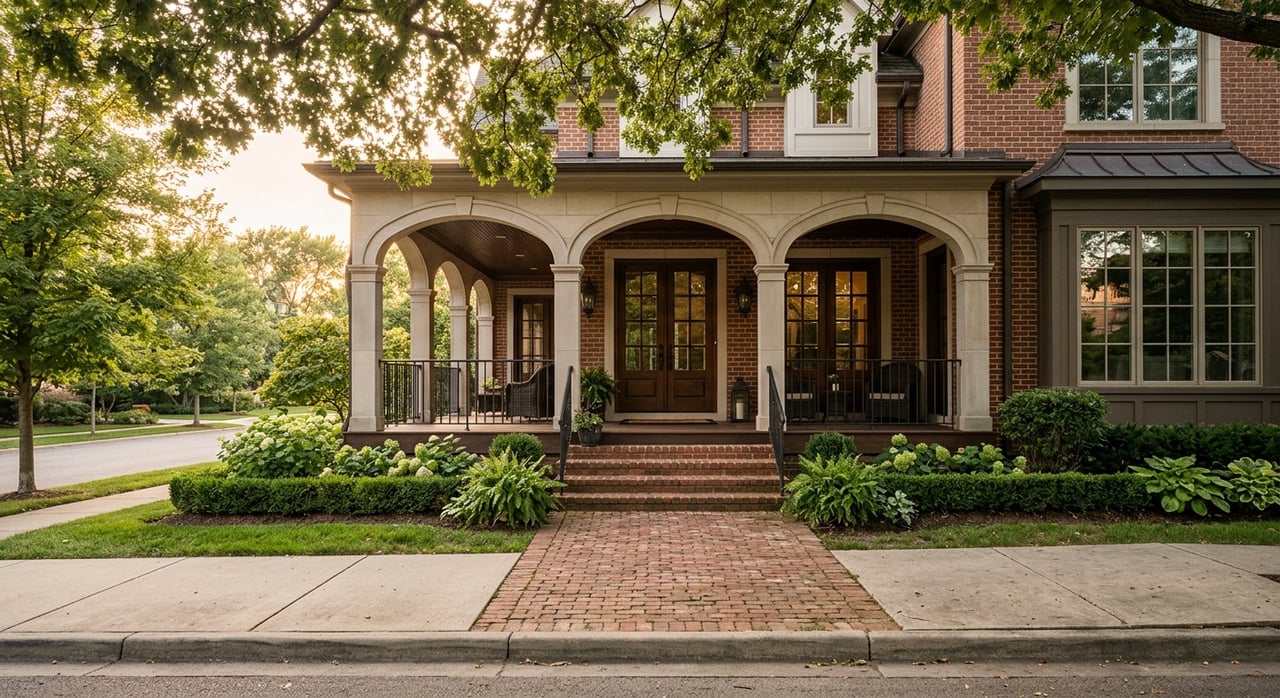
If you own a home in West University or Southside and want to buy your next one, timing can feel like the hardest part of the move. You may be trying to protect your equity, avoid carrying two homes at once, and still stay competitive in a market where well-priced properties can move quickly. The good news is that with the right plan, you can reduce stress and keep more control over the process. Let’s dive in.
Why timing matters in West U and Southside
West University Place and Southside Place are small, close-in communities in Harris County, and that local setup affects how people move from one home to the next. West U is located minutes from downtown Houston, the Galleria, and the Texas Medical Center, while Southside Place is a small city of 1,726 residents that uses Houston addresses through USPS. In a compact market like this, inventory, price, and timing all tend to collide.
Recent market data shows why planning ahead matters. In June 2026, the West University/Southside Area had 2.5 months of inventory, a median sold price of $1,988,424, and an average of 23.6 days on market. West University Place itself posted a May 2026 median price of $1.82 million, with 8 transactions and just 6.5 days on market.
That means a strong listing can attract attention fast, and the home you want to buy may not wait around either. If you are both selling and buying, you need a strategy before your home goes live or before you write an offer on the next property.
Sell first or buy first
The best order depends on your finances, your risk tolerance, and how flexible your moving timeline can be. There is no one-size-fits-all answer, especially in a market where inventory is still relatively limited.
When selling first makes sense
Selling first is often the more conservative option. You know what your home sold for, you know how much equity you have available, and you lower the risk of carrying two housing payments at the same time.
The trade-off is that you may need temporary housing if you do not find or close on your next home right away. For many homeowners, that short-term inconvenience is worth the added financial clarity.
When buying first can work
Buying first may be appealing if you want a smoother move and do not want to leave your current home before securing the next one. This can work best if you have substantial equity, strong liquidity, or financing options that allow some overlap.
The challenge is that buying first adds more moving parts. In West U and Southside, where homes can move quickly, sellers may favor offers with fewer conditions and more certainty.
How a sale contingency works in Texas
If you need proceeds from your current home to buy the next one, Texas provides a formal way to structure that through the TREC Addendum for Sale of Other Property by Buyer. This addendum makes your purchase contingent on receiving proceeds from the sale of your other property.
If that contingency is not satisfied or waived by the date in the contract, the contract terminates automatically and earnest money is refunded. If the seller accepts another offer, you must waive the contingency by the next day or the contract terminates.
This structure can be helpful, but it comes with real risk. If you waive the contingency and your sale proceeds do not arrive in time, you could be in default under the contract.
Are contingent offers realistic right now?
Yes, they are realistic, but they are usually less competitive than a cleaner offer. In a market with 2.5 months of inventory and relatively quick sales, sellers may prefer terms that feel more certain.
That does not mean you should avoid a contingency if you need one. It means you should understand the trade-off between protecting your position and making your offer as strong as possible.
Options that can make the move easier
A successful move often comes down to reducing the gap between your sale and your purchase. In West U and Southside, several common tools can help bridge that gap.
Same-day closings
In the best-case scenario, you sell and buy on the same day. This can limit disruption, reduce temporary housing costs, and let you move with less back-and-forth.
Same-day closings require careful coordination between all parties. Your lender, title company, and transaction timeline all need to line up well in advance.
Seller leaseback after closing
If you sell first but need more time in your home, a seller leaseback may help. In Texas, the TREC Seller’s Temporary Residential Lease is the standard form used when the seller remains in the property for no more than 90 days after closing.
This can be a practical short bridge if your next home is closing soon after your sale. It is important to remember that it is designed for a temporary stay, not a long-term housing plan.
TREC also notes that staying in the home after closing may affect insurance coverage. That makes it important to review leaseback terms and insurance details before signing.
Short-term housing
If a leaseback is not enough, temporary housing may be the cleanest solution. Options can include a short-term rental, an extended-stay hotel, staying with family, or another bridge arrangement.
Local lease inventory does exist, but it may come at a premium. HAR data for the West University/Southside Area shows 47 homes for lease with an average rent of about $4,083, so it helps to budget for that possibility early.
Bridge financing
For some homeowners, bridge financing can create flexibility. Regulation Z describes a temporary or bridge loan with a term of 12 months or less as an example of financing used to purchase a new dwelling when the consumer plans to sell the current dwelling within 12 months.
This option may be worth exploring if you have meaningful equity and want to buy before your current home closes. Because it is a separate borrowing decision, you should review costs, approval requirements, and risk with your lender as early as possible.
What to review before you commit
When one move depends on another, details matter. A few early conversations can prevent expensive surprises later.
Review financing details carefully
Talk with your lender about exactly how your purchase will be funded. If you are considering a sale contingency, bridge financing, or overlapping payments, make sure you understand the numbers and the timing.
You should also review your closing documents carefully before signing. If the terms or amounts do not match what you expected, ask questions before closing.
Confirm your closing timeline
Your sale date, purchase date, possession date, and moving date should all work together. Even a small delay on one side can affect the other.
This is especially important if you are planning a same-day close or a short leaseback. Clear scheduling can help reduce last-minute pressure.
Check insurance during a leaseback
If you are staying in the home after closing as a tenant, your insurance setup may need to change. TREC specifically warns that seller possession after closing may affect policy coverage.
That is a detail worth confirming well before closing day. It is much easier to solve in advance than after paperwork is signed.
Plan for homestead timing
Property tax timing can also affect your costs as you move from one home to another. HCAD states that a homestead exemption cannot be claimed on another residence homestead, and the standard filing window is January 1 through April 30.
Harris County currently provides a 20% optional homestead exemption to homeowners. The Texas Comptroller also notes that the general residence homestead exemption lowers taxable value and that the appraisal cap takes effect after the second year of qualifying homestead status.
If you are transitioning between homes, it is smart to review how that timing may affect your carrying costs and exemption filings. That is especially true if you expect overlap between properties.
A practical plan for West U homeowners
If you are trying to sell a West U or Southside home while buying your next one, a simple framework can help you decide your best path.
Start with these questions
- How much equity will you likely have after selling?
- Can you comfortably carry overlap costs if needed?
- Would temporary housing be manageable for your household?
- Are you open to a contingent offer if it helps reduce risk?
- Would a short leaseback solve most of the timing pressure?
- Have you reviewed homestead and insurance details tied to the move?
Your answers can point you toward the right strategy. Some homeowners benefit from selling first and negotiating flexibility on possession, while others can move sooner by using a contingency or bridge financing.
Why preparation creates leverage
In a market like West U and Southside, speed matters, but preparation matters even more. When you already know your financing structure, backup housing options, and contract preferences, you can make better decisions with less stress.
That kind of preparation also helps you present your current home and pursue your next one with more confidence. Instead of reacting to every deadline, you can move with a clear plan.
If you are weighing the timing of a sale and purchase in West University or Southside, the right guidance can make the process feel much more manageable. The team at Property Collective Group offers senior-level, boutique support to help you map out the smartest path for your next move.
FAQs
Should I sell my West University home before buying another one?
- Selling first can reduce financial risk because you know your sale proceeds before committing to the next purchase, but you may need temporary housing if your next home is not ready in time.
Can I make a contingent offer while buying in West University or Southside?
- Yes. In Texas, the TREC addendum for sale of other property by buyer can make your purchase contingent on receiving proceeds from your current home, but sellers may view that as less competitive than a non-contingent offer.
How long can I stay in my home after closing in Texas?
- Under the TREC seller temporary residential lease form, a seller can remain in the home for up to 90 days after closing.
Is bridge financing an option when buying a new home before selling my current one?
- It can be. A bridge loan is a temporary financing option that may help you buy before your current home sells, but it requires lender review and careful analysis of costs and risk.
What should I review before closing on two homes with linked timelines?
- Review your loan structure, closing dates, leaseback terms, insurance coverage, and homestead exemption timing before signing documents.
Are short-term rentals available in the West University and Southside area?
- Local lease inventory exists. HAR reported 47 homes for lease in the area with an average rent of about $4,083, which suggests temporary rentals may be available but can be relatively expensive.