Spring Valley Village is the Memorial Village that often makes the most immediate practical sense. It sits north of I-10, close to Spring Branch, Hedwig Village, Hilshire Village, Memorial City, and the major west Houston corridors buyers use every week. It has its own police department, its own city hall, its own park, its own rules, and a residential core that feels more accessible than the larger Villages south of the freeway.
This is not the village buyers choose for giant estate lots or a deep retreat behind gates. Spring Valley is more about livability. It offers a Memorial Villages address with strong schools, quick freeway access, mature trees, older ranch style homes, newer construction, and a neighborhood fabric that feels familiar to buyers moving from Spring Branch, the Inner Loop, Bellaire, or other west Houston areas.
For buyers who want the Memorial Villages without the full Piney Point or Bunker Hill price jump, Spring Valley deserves a serious look. It is still a premium market, but the lot sizes, home styles, and location give buyers a different path into the Villages.
Interested in Spring Valley Village homes? Contact Shannon and Lisa to start the conversation.
Location and access
Spring Valley Village sits north of I-10, west of Loop 610, and close to the Spring Branch side of the Memorial area. Campbell Road, Bingle Road, Westview Drive, Voss Road, and the Katy Freeway all shape how buyers move in and out of the village.
The access is excellent. From Spring Valley, buyers can reach Memorial City, Town & Country Village, CityCentre, the Energy Corridor, Uptown, the Galleria, and Downtown without feeling disconnected from the rest of Houston. It is especially practical for people who work along I-10 or split time between central Houston and west Houston.
Spring Valley also feels more integrated with daily life than some of the quieter Villages south of I-10. Restaurants, grocery stores, schools, churches, fitness studios, medical offices, and errands are close. Buyers still need a car, but the drives are usually short.
The tradeoff is that location inside the village matters. A home closer to I-10, Bingle, Westview, or a commercial edge may feel busier than a home on an interior residential street. Spring Valley is compact enough that a few blocks can change the way a property feels.
Buyers should drive the village at different times of day. Morning school traffic, evening freeway flow, and weekend activity can all tell you more than a map.
The village character
Spring Valley Village has a classic west Houston neighborhood feel. It is residential, established, convenient, and not overly formal. The streets are not trying to impress in the same way as the grandest parts of Piney Point or Hunters Creek. The appeal is more everyday than dramatic.
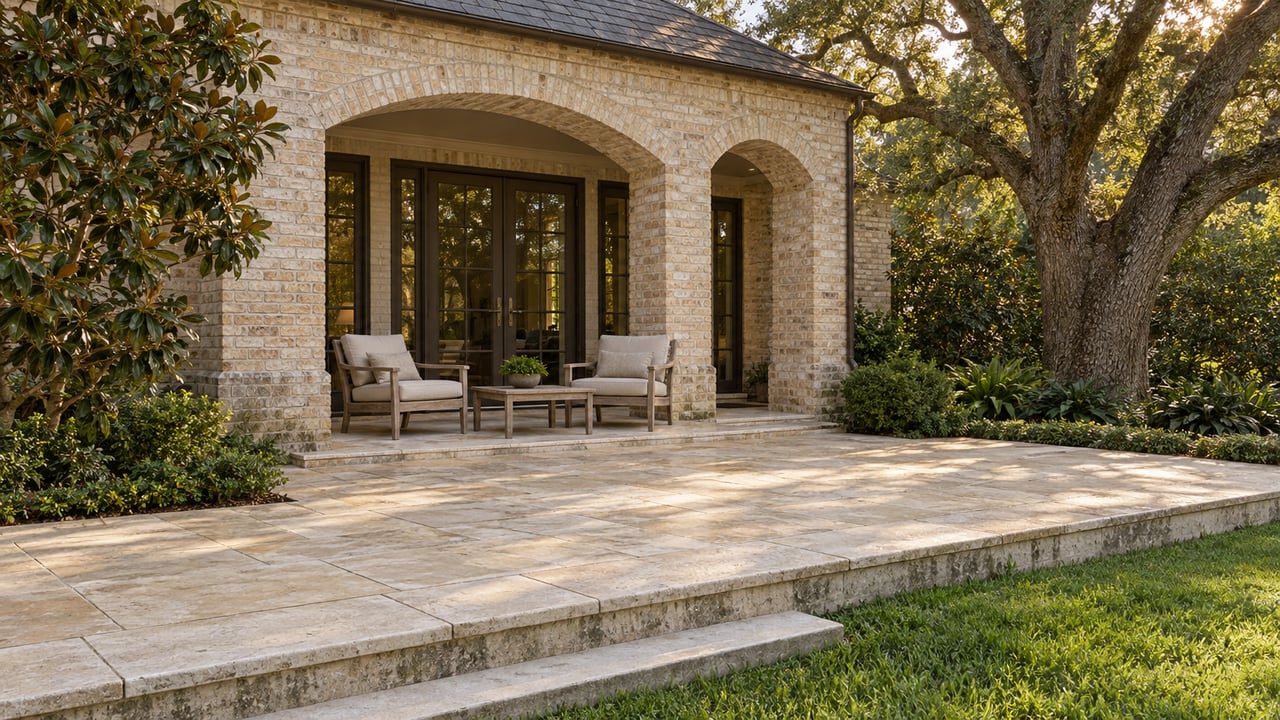
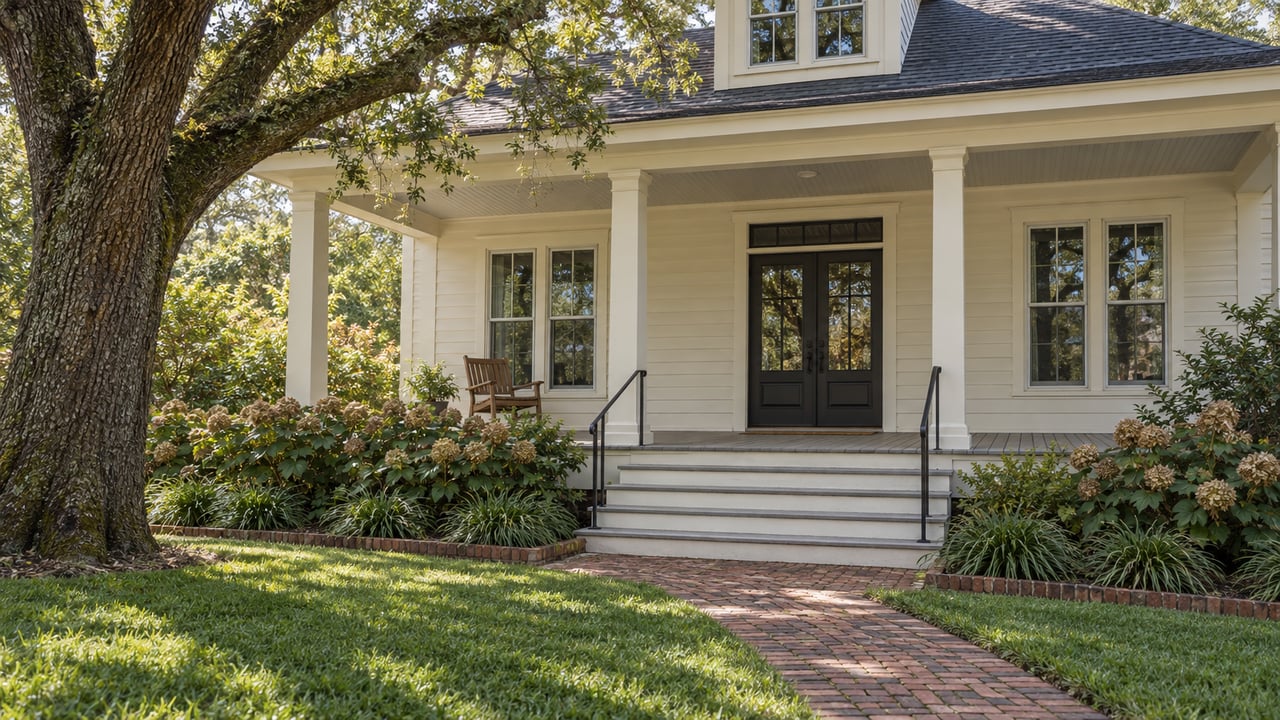
Many homes sit on manageable lots with mature trees, lawns, pools, patios, and outdoor spaces that work well for families, professionals, and downsizers. The village feels lived in. You see renovated ranch homes, new custom homes, older brick houses, and streets where the scale changes from one block to the next.
Spring Valley also has more civic identity than buyers sometimes expect. City Hall, the police department, Spring Valley Village City Park, and community events help give the village a stronger center of gravity than a typical Houston neighborhood.
The north of I-10 location is part of the personality. Spring Valley is closely tied to Spring Branch, but it still carries the Memorial Villages name and benefits from its own municipal structure. That combination is exactly why buyers compare it with Hilshire, Hedwig, Spring Branch, and sometimes Bunker Hill.
This is a good fit for buyers who want convenience, schools, and a real neighborhood without feeling like every decision is about acreage or estate presence.
Police, fire, and city services
Spring Valley Village has its own police department, and that is one of the clearest differences between it and several other Memorial Villages.
The Spring Valley Village Police Department serves Spring Valley and also provides police service to Hilshire Village by contract. The police department operates 24 hours a day, seven days a week, and is located with City Hall at 1025 Campbell Road.
One practical detail buyers like to know is that 911 calls placed within Spring Valley Village city limits ring directly into the police department. The department also offers resident services such as alarm permits, home security surveys, house watch, vehicle stickers, and related safety programs.
Fire and emergency medical services are handled by the Village Fire Department, which serves all six Memorial Villages.
Spring Valley also has its own city hall, mayor and council, municipal court, public works, building permits, water and sewer service, park facilities, and ordinances. For buyers planning new construction, renovations, additions, pool work, generators, drainage improvements, fences, or tree work, the city process should be reviewed before making assumptions.
A Spring Valley home should be evaluated as a Spring Valley home, not simply as a Memorial Villages address. The rules and services are part of the purchase.
Spring Valley Village real estate
Spring Valley Village real estate has a different rhythm from the larger estate Villages. There are luxury homes here, including newer custom builds, but the market is not only about oversized lots and grand architecture. Spring Valley gives buyers a wider range of property types and price points than Piney Point, Bunker Hill, or Hunters Creek.
Older ranch style homes are an important part of the village. Some have been thoughtfully renovated with updated kitchens, opened living areas, improved primary suites, and outdoor entertaining areas. Others are purchased for the land, especially when the lot, street, and surrounding homes support a larger new build.
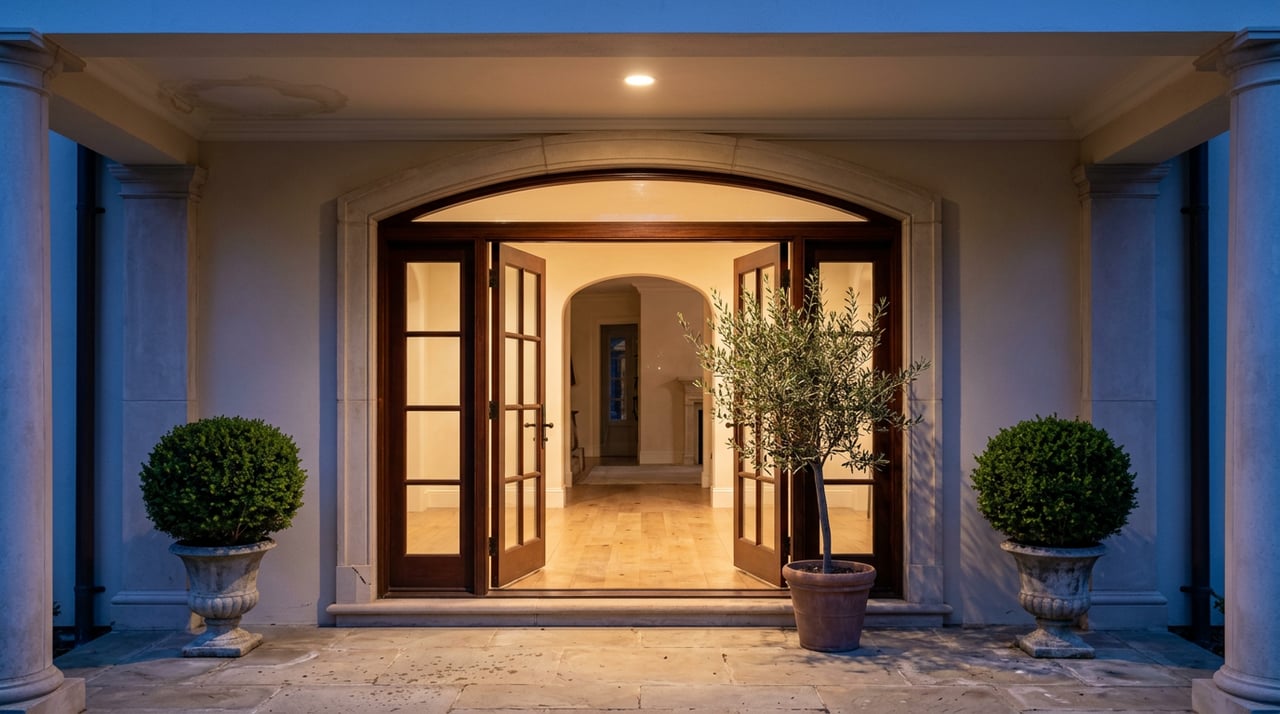
Newer construction is common, and it can change the feel of a block quickly. Buyers will see transitional homes, traditional brick homes, painted brick designs, modern farmhouse influences, contemporary builds, and custom homes with larger footprints than the original homes they replaced.
Lot size is one of the biggest differences from the south of I-10 Villages. Spring Valley lots are often more manageable, and the zoning framework includes residential minimums that are much smaller than a Village acre. That can be an advantage for buyers who want a yard, pool, and outdoor living without maintaining a half acre or more.
That said, smaller lots require sharper judgment. A new home can look beautiful online but feel tight in person if the house takes up too much of the lot. Buyers should pay attention to driveway placement, garage orientation, side yards, backyard depth, window placement, privacy, drainage, and how the home sits next to its neighbors.
Price per square foot is useful only up to a point. A renovated older home on a quiet street may compete strongly against a newer home with less yard. A larger home near a busier road may not carry the same appeal as a smaller home on a better block. In Spring Valley, the best purchase is often the home that fits the buyer’s actual routine.
This is also a village where buyers should watch inventory closely. Good homes can move quickly, and public pricing data can swing because the number of sales is not large.
Schools
Schools are one of the main reasons buyers consider Spring Valley Village.
The city is served by Spring Branch ISD. The public school path commonly associated with Spring Valley includes Bear Boulevard School for Early Learning, Valley Oaks Elementary, Spring Branch Middle School, and Memorial High School. Cornerstone Academy and other SBISD programs are also part of the broader school conversation in the area.
Memorial High School and Spring Branch Middle School are close, which can make daily routines easier for families with school age children. Valley Oaks Elementary is also central to the Spring Valley conversation, especially for buyers looking north of I-10.
Even with a small village, buyers should verify school zoning by address. Attendance boundaries, enrollment policies, and district procedures can change, and the safest approach is to confirm the exact property before writing an offer.
Private school access is also practical. St. Cecilia Catholic School, School of the Woods, The Kinkaid School, St. Francis Episcopal School, Duchesne Academy, Second Baptist School, and First Baptist Academy are all within a reasonable drive for many families.
For relocation buyers, Spring Valley is often easier to understand than some of the larger Villages. The school path is familiar, the daily drives are shorter, and the neighborhood feels approachable.
Everyday life in Spring Valley Village
Spring Valley Village is easy to live in. That is the real selling point.
The city has its own park, with reservable pavilion, gazebo, and green space areas. It also has community events, city services, police presence, and a residential layout that makes it feel more connected than many Houston neighborhoods of similar size.
Daily errands are simple. Memorial City, Town & Country Village, CityCentre, Spring Branch restaurants, coffee shops, grocery stores, pharmacies, fitness studios, medical offices, and retail are all close. Spring Valley residents can usually handle a typical week without crossing town.
The village works well for families because schools and activities are nearby. It works for professionals because I-10 is close. It works for downsizers because some homes offer less land to maintain than the larger Villages while still keeping a single family lifestyle.
Spring Valley also has a more relaxed feel than the grander Memorial Villages. Buyers who find Piney Point too secluded or Bunker Hill too expensive may respond well to Spring Valley. It feels premium, but not precious.
The key is choosing the right part of the village. Some buyers want the quietest interior block they can find. Others care more about access to I-10, schools, or daily errands. Spring Valley gives buyers those choices, but the tradeoffs should be understood before making an offer.
A note on flooding and drainage
Flooding and drainage need to be reviewed carefully in Spring Valley Village.
The city is north of I-10 and is not defined by Buffalo Bayou the way Piney Point and Hunters Creek are, but that does not remove drainage from the conversation. Briar Branch, street drainage, storm sewer capacity, lot grading, slab height, added hardscape, and nearby construction can all affect how a property performs during heavy rain.
Spring Valley maintains drainage criteria and provides Harris County Flood Control information, including a Briar Branch flood gauge link. That tells buyers to treat drainage as a property level issue, not a broad assumption about the village.
Before buying, ask for the seller disclosure, prior flood history, survey, elevation information if available, drainage plans for newer construction, and records for any drainage improvements. If the home has been expanded, rebuilt, or had major flatwork added, confirm how runoff was handled.
The lot should be walked in person. Look at where water would move, how neighboring lots sit, whether the driveway slopes toward the home, and whether patios, pool decking, or other hardscape reduce yard absorption.
Spring Valley can be a very practical place to buy, but careful drainage review is still part of buying well in Houston.
Spring Valley Village history
Spring Valley Village began as a small incorporated community in the mid twentieth century, when residents in the Spring Branch Memorial area were trying to preserve a more residential way of life as Houston expanded west.
The first formal step toward incorporation came in December 1954, when a petition signed by 26 residents was presented to Harris County Judge Bob Casey. An incorporation election passed on April 9, 1955, and the town was declared incorporated later that month.
Zoning was one of the main reasons residents pursued incorporation. The first ordinance regulated building permits, followed by subdivision rules and a zoning commission. The city later adopted a zoning ordinance in 1956. Early rules reflected the area’s trees, limited infrastructure, and residential priorities. Two story homes were not permitted until 1981.
The city grew quickly after incorporation. In 1957, after the population exceeded 600 residents, the town became the City of Spring Valley. The name later became Spring Valley Village, aligning it more clearly with the other Memorial Villages.
Police and fire service also became part of the city’s identity early on. What began with a marshal and volunteer fire protection eventually became a 24 hour police department and shared Village Fire Department service.
That history still shows up in the way Spring Valley functions today. It is residential, practical, civic minded, and more connected to daily life than some of the larger Villages. It has grown and changed, but it still feels like a small city within west Houston.
Lisa and Shannon’s Insider Take on Spring Valley Village
What makes Spring Valley different from the other Memorial Villages?
Spring Valley is the practical one. It gives buyers a Memorial Villages address, its own police department, Spring Branch ISD schools, quick I-10 access, and a more approachable property mix than the larger estate Villages. It feels more connected to Spring Branch and everyday west Houston life.
Is Spring Valley Village north or south of I-10?
Spring Valley Village is north of I-10. That is one of the biggest distinctions from Bunker Hill, Piney Point, Hunters Creek, and Hedwig. Buyers should compare it with Hilshire, Spring Branch, and nearby north side Memorial options as much as they compare it with the south of freeway Villages.
Does Spring Valley have its own police department?
Yes. Spring Valley Village has its own police department, and that department also serves Hilshire Village by contract. Fire and emergency medical services are provided by the Village Fire Department.
Are Spring Valley lots smaller than Piney Point or Bunker Hill lots?
In many cases, yes. Spring Valley is not usually the choice for buyers who want large estate parcels. It often appeals to buyers who want a single family home, a usable yard, and Memorial Villages services without taking on a much larger property.
Is Spring Valley a good option for buyers priced out of Piney Point or Bunker Hill?
It can be. Spring Valley is still a premium market, but it can offer a different entry point because lots are often smaller and the homes vary more. Buyers should not assume it is inexpensive. The best homes still command strong prices, especially newer construction on quiet streets.
Is new construction common in Spring Valley?
Yes. Buyers will see new construction, major renovations, and older ranch style homes. The important question is whether the new home fits the lot well. On a more manageable lot, outdoor space, driveway placement, and privacy matter a lot.
What should buyers watch closely?
Traffic near I-10, Bingle, Campbell, and Westview, school zoning, drainage, lot size, backyard depth, construction quality, and city requirements. Spring Valley is convenient, but convenience can vary by block.
Is Spring Valley good for families?
Yes. Many buyers like Spring Valley because of Spring Branch ISD, Memorial High School, nearby private schools, city services, and short drives to daily activities. The logistics can be easier than in larger, more spread out luxury areas.
Who is Spring Valley Village best for?
Spring Valley is best for buyers who want the Memorial Villages lifestyle with more everyday convenience and less emphasis on estate scale. It works well for families, professionals, relocation buyers, and downsizers who want a residential city close to the places they actually use.
Is Spring Valley a good long term purchase?
For the right home, yes. The village has limited supply, strong school demand, its own police department, good freeway access, and a location that remains useful in different market cycles. The key is choosing the right street, lot, and home design.
Shannon and Lisa of Property Collective Group know Spring Valley Village at the street level and work with buyers and sellers throughout the Memorial Villages. If you want a candid read on whether Spring Valley fits your search, reach out for a conversation. Text (713) 320-3335 or email [email protected].