Is your West U house starting to feel too small or too dated, but you love the block and the trees? You are not alone. Many West University Place homeowners face the same choice: renovate what you have or start fresh with a teardown and custom build. In this guide, you will learn realistic cost bands, permitting timelines, lot constraints, and a simple framework to compare options so you can move forward with confidence. Let’s dive in.
Why West U is a special case
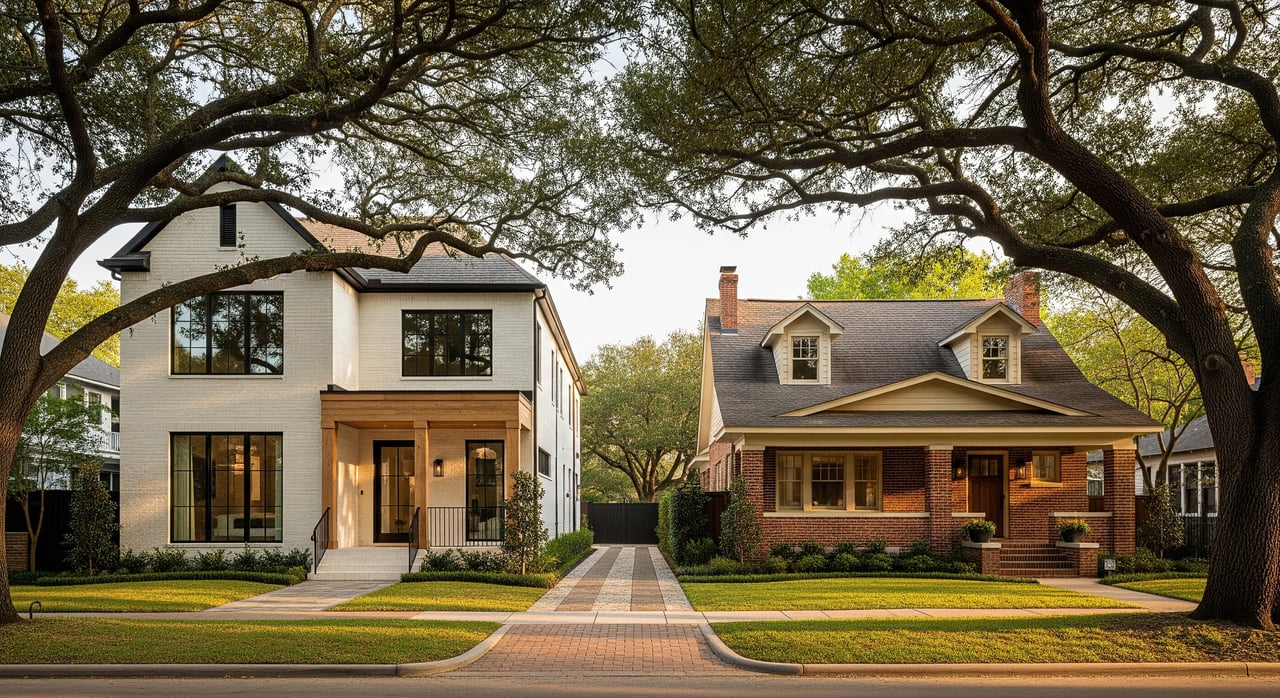
West University Place is an incorporated city within Houston, which means high demand, limited lot supply, and lots of older homes that are prime for updates or replacement. Land value is a major factor here, and that often drives the teardown-versus-renovate decision.
Buyers in West U tend to want modern layouts, more bedrooms and baths, and functional garages. If nearby new-builds on your block are much larger or sell for a significantly higher price per square foot, rebuilding may yield better long-term value. If your home has solid bones and a renovation can meet your goals at a lower cost and faster timeline, a remodel may be the smarter play.
For property-specific rules, approvals, and inspections, start with the City of West University Place’s Building and Permitting resources on the City of West University Place website.
Costs in West U: what to expect
Prices shift with labor and materials, so get multiple bids. The ranges below reflect 2023–2025 planning bands for the Houston and West U area.
Renovation cost bands
- Cosmetic or minor updates, like paint, flooring, and fixtures: about $50 to $125 per square foot.
- Moderate whole-house remodel with kitchen, two to three baths, mechanical updates, and new finishes: about $100 to $225 per square foot.
- Major or full gut renovations with structural changes, reconfiguration, new systems, and high-end finishes: about $200 to $350+ per square foot.
- Contingency: set aside 10 to 20 percent, especially for older homes with unknowns.
For national ROI context and project types, see the Remodeling Magazine Cost vs. Value Report.
Teardown and new construction costs
- Entry-level custom new construction: roughly $200 to $300 per square foot.
- Mid-range custom: roughly $300 to $450 per square foot.
- High-end custom or luxury: roughly $450 to $700+ per square foot, depending on finishes and complexity.
- Demolition and lot prep: often $5,000 to $30,000+, with higher costs if asbestos or lead abatement, major tree removal, or complex utility work is required.
Property taxes typically increase after a new build. Expect reassessment by the Harris County Appraisal District. For guidance on records and valuations, visit HCAD.
What drives costs here
- Lot constraints and narrow access can raise foundation, framing, and staging costs.
- Tree protection and mature root systems often add design and construction complexity.
- Utility tie-ins, sidewalk and curb work, and street reinstatement can add fees and time.
- If your site is in or near a regulated flood area, elevation and drainage requirements can increase structural costs. Check your property’s status on the FEMA Flood Map Service Center.
For broad cost trends and construction inputs, see the National Association of Home Builders and estimating resources like RSMeans and market snapshots via BuildZoom.
Permits, timelines, and process in West U
West U issues its own building, site, and demolition permits. Plan reviews happen at the city level, with inspections during construction. Exact timing varies by scope and submittal quality.
Typical timelines
- Renovation, non-structural or limited structural: plan review about 2 to 6 weeks, construction about 1 to 6 months.
- Major remodel with structural changes: plan review about 4 to 12 weeks, construction about 4 to 12+ months.
- Teardown and custom new build: design plus permit process about 2 to 6 months, construction about 8 to 14+ months. Total timeline commonly 10 to 20 months from design start to move-in.
Common delays and how to avoid them
- Incomplete or non-engineered plans. Solution: hire an architect and builder with West U experience and submit complete packages.
- Variances or special approvals. Solution: clarify requirements in a pre-application conversation with the City and design to code wherever possible.
- Stormwater and tree protection requirements. Solution: get surveys, a tree inventory, and preliminary site plans early.
- Utility coordination. Solution: plan disconnects and tie-ins early and build slack into the schedule.
For current permit steps and contacts, use the City of West University Place website.
Lot and code constraints to check first
Many West U lots are smaller and narrower than suburban lots. The details matter because they define what you can build.
- Lot size and width. Many blocks have lots about 50 feet wide with a depth around 130 to 150 feet. This affects your maximum footprint and garage placement.
- Setbacks and easements. Front, rear, and side setbacks, plus utility easements, form the building envelope. Alley access can influence garage layout.
- Trees and protection rules. Large specimens can limit buildable area or require mitigation if removed.
- Drainage and grade. You may need site grading, stormwater measures, or detention.
- Floodplain and elevation. Confirm FEMA maps and any local overlays. Even outside the mapped 100-year floodplain, elevation or lender requirements may apply. Use the FEMA Flood Map Service Center to check your address.
- Design or conservation overlays. Some blocks may have compatibility expectations. Verify with the City early.
Renovate or rebuild? A simple decision framework
Quick checklist
- Structural condition: if the foundation or major structural elements need replacement, lean toward a rebuild.
- Desired size and footprint: if you want much more square footage than the lot envelope allows without variances, rebuilding may be required.
- Cost comparison: get two to three detailed bids for both a whole-home remodel and a new build, including demolition, site work, permits, landscaping, soft costs, and contingency.
- Neighborhood comps: compare recent sales of renovated homes and new builds nearby, including price per square foot. Explore local data through the Houston Association of REALTORS.
- Timing and disruption: if living in place matters, a phased renovation can work. A teardown typically requires moving out for the entire build.
- Permitting risk: if your plan likely triggers variances or extended reviews, that adds time and cost. Renovation may reduce those risks.
- Taxes: expect reassessment after new construction. Confirm questions directly with HCAD.
A practical financial lens
- List all costs for each path: project budget, contingency, carrying costs, temporary housing, design fees, permits, landscaping, and move costs.
- Estimate after-completion value or appraisal for each scenario, then compare the equity created.
- Calculate cost per incremental livable square foot for each option and compare that to local new-build sales per square foot.
- Weigh soft benefits, like better functionality, reduced maintenance, and updated systems that may improve efficiency and comfort.
What living through each option feels like
- Light to moderate renovation: daily disruption is manageable, and living in place can be feasible. Typical duration is 2 to 6 months based on scope.
- Major renovation or gut: disruption is high, and moving out is often required for part of the project. Typical duration is 4 to 12+ months.
- Teardown and new build: the most disruptive upfront, with move-out recommended. Total timeline commonly runs 10 to 20 months from design start to completion.
Risks and red flags to investigate
- Heavily encumbered lots with easements that block your desired footprint.
- Significant grade or drainage constraints that increase foundation costs.
- Large protected trees that limit building areas or require mitigation.
- Historic or neighborhood rules that affect exterior design.
- Old utilities and sanitary lines needing replacement.
- Asbestos, lead, or other hazardous materials that raise demolition and abatement costs.
How to get started in West U
Schedule a feasibility chat with an architect and builder who work in West U. Their local code familiarity can prevent costly rework during plan review.
Pull property records and confirm your lot details. Start with HCAD for lot size and history, then have a current survey completed.
Check floodplain status and elevation considerations with the FEMA Flood Map Service Center.
Conduct a pre-application conversation with the City. Clarify submittal requirements, tree protection, drainage expectations, and any potential variances using the City of West University Place website.
Get at least two to three apples-to-apples bids for both renovation and new build options. Ask for clear allowances, a change-order policy, milestone schedules, and realistic contingency.
Compare neighborhood comps for renovated homes and new builds using resources from the Houston Association of REALTORS. Align your plan with the likely resale profile on your block.
Map your living plan. If you need to move out, consider timing, temporary housing costs, school calendars, and lease flexibilities. If you plan to live through a remodel, request a phased schedule.
When you are ready to weigh the trade-offs, bring in a local real estate team that knows West U’s blocks, buyer preferences, and resale patterns. A grounded pricing view, paired with your architect’s feasibility study, will help you choose the right path.
Ready to talk through your options and the likely resale upside on your block? Connect with the neighborhood-focused team at Property Collective Group for a clear, data-informed plan.
FAQs
What are typical renovation costs per square foot in West U?
- Whole-house costs typically range from about $100 to $225 per square foot, with major gut renovations running about $200 to $350+ per square foot. Set a 10 to 20 percent contingency.
How long does a teardown and custom build usually take in West U?
- Plan on about 2 to 6 months for design and permitting, plus about 8 to 14+ months for construction. Many projects run 10 to 20 months in total.
Will my property taxes increase after a new build in West U?
- A new build commonly leads to a higher appraised value and reassessment. For questions and records, check with the Harris County Appraisal District.
How do I know if floodplain rules affect my project in West U?
- Look up your address on the FEMA Flood Map Service Center and confirm any local elevation requirements with the City during pre-application.
What permits and steps are required to demolish a house in West U?
- You will need a demolition permit, utility disconnect coordination, and may need asbestos or lead disclosures if applicable. Start with the City of West University Place for current requirements.