The Houston Heights is one of those rare Houston neighborhoods where the origin story is not a footnote, it is still visible on the street. The name, the layout, the architecture, and even some of the old rules that shaped daily life all connect back to a specific moment in Houston history, when developers were trying to solve a late nineteenth century problem: how do you build a healthier, more modern community close to downtown, without living in downtown.
If you have ever wondered why the Heights feels more walkable, more neighborly, and more intentional than many parts of the city, it helps to start at the beginning. Houston Heights was founded in 1891 and is widely described as Texas’ earliest planned community. It was later incorporated as its own city in 1896 and annexed by the City of Houston in 1918.
With that foundation, the five fun facts from the video are not just trivia. They are clues to why the Heights became the Heights.
1. The Heights was named for higher ground, and the difference was meaningful
The simplest explanation for the name is also the most practical one. Multiple historical sources describe the townsite as being on higher land and commonly cite that it sat about 23 feet higher than downtown Houston.
That elevation gap mattered more in the 1890s than it does in casual conversation today. Houston was dealing with flooding, poor drainage, and public health fears that were often linked to standing water and mosquitoes. The Heights was marketed as an escape from those conditions, without losing access to the city’s jobs and energy. Contemporary summaries of Heights history emphasize that higher elevation and improved living conditions were part of the original sales pitch.
What this means in 2026 is not that every Heights home is immune from flooding. Houston does not work that way. What it does mean is that the Heights became desirable early because it was positioned as safer, healthier, and better planned. That reputation still shapes buyer psychology, especially for people relocating to Houston who start their search with flood risk and lifestyle in mind.
2. It stayed dry for more than a century, and that rule shaped local culture
The Heights did not just feel different, it was governed differently. Prohibition style restrictions on alcohol sales existed in the Heights for decades, with reporting that the prohibition dates back to 1912 and that the annexation agreement with Houston kept elements of that ban in place long after annexation.
In practical terms, this is why older Heights regulars still talk about the private club era, when some restaurants operated through membership structures to serve alcohol. News coverage documents the modern unwind of those rules, including a 2016 vote that allowed beer and wine sales in grocery and convenience settings and a 2017 vote that repealed the longstanding dry zone restrictions for bars and restaurants.
Why this matters for real estate is simple: a community that held onto a rule like that for a century is a community that takes identity seriously. That same civic muscle shows up today in preservation conversations, development debates, and the pride people take in their block. Buyers feel it when they walk the neighborhood.
3. The Heights was planned from day one, and it was built to function like a complete town
Houston Heights was not a neighborhood that slowly formed around a crossroads. It was intentionally developed as a planned community, with streets, utilities, and public amenities laid out early, and it operated as its own municipality before annexation.
This is also why the Heights is frequently described as Houston’s first suburb, built with a commuter pattern in mind. Historical summaries describe it as a streetcar suburb, meaning the development was designed around the idea that residents could live outside the dense center and still get to downtown efficiently.
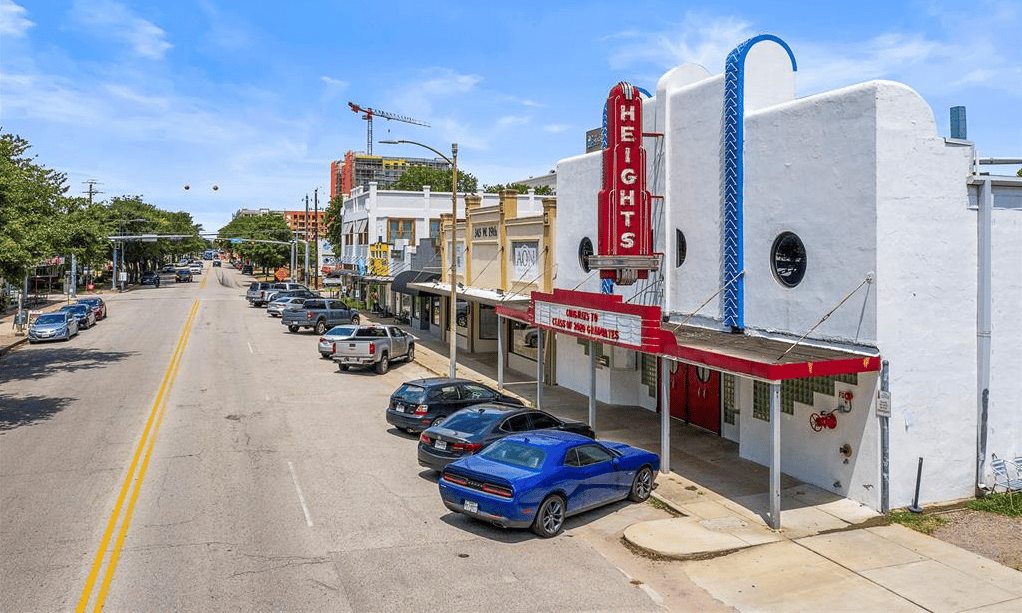
That planning DNA is still one of the Heights’ biggest value drivers. The neighborhood is legible. It has commercial corridors that make sense. It rewards walking and biking in a way that many Houston areas simply were not built to do. When buyers tell me they want character plus convenience, they are often describing the original Heights promise, just in modern language.
4. Those university street names were branding, not an accident
Harvard, Yale, and the other familiar street names were part of a deliberate effort to create prestige and memorability. Heights history sources describe the community as an early planned development with a strong marketing engine behind it, and those names fit the pattern of selling aspiration as much as land.
From a market standpoint, the naming is a small detail that becomes a big one over time. Street identity is part of how buyers form attachment. People do not just buy a house, they buy into a pocket. In the Heights, pockets often have a clear personality, and the street names are part of the mental map.
5. Kit houses help explain why Heights architecture feels cohesive
The idea that you could order a house from a brochure sounds modern, but it was very real in early twentieth century America. Companies like Sears sold mail order kit homes that were shipped by rail and assembled locally, and those homes exist across the country.
Houston has documented examples of Sears kit homes, including recent coverage of a 1920s Sears kit home renovation in Houston.
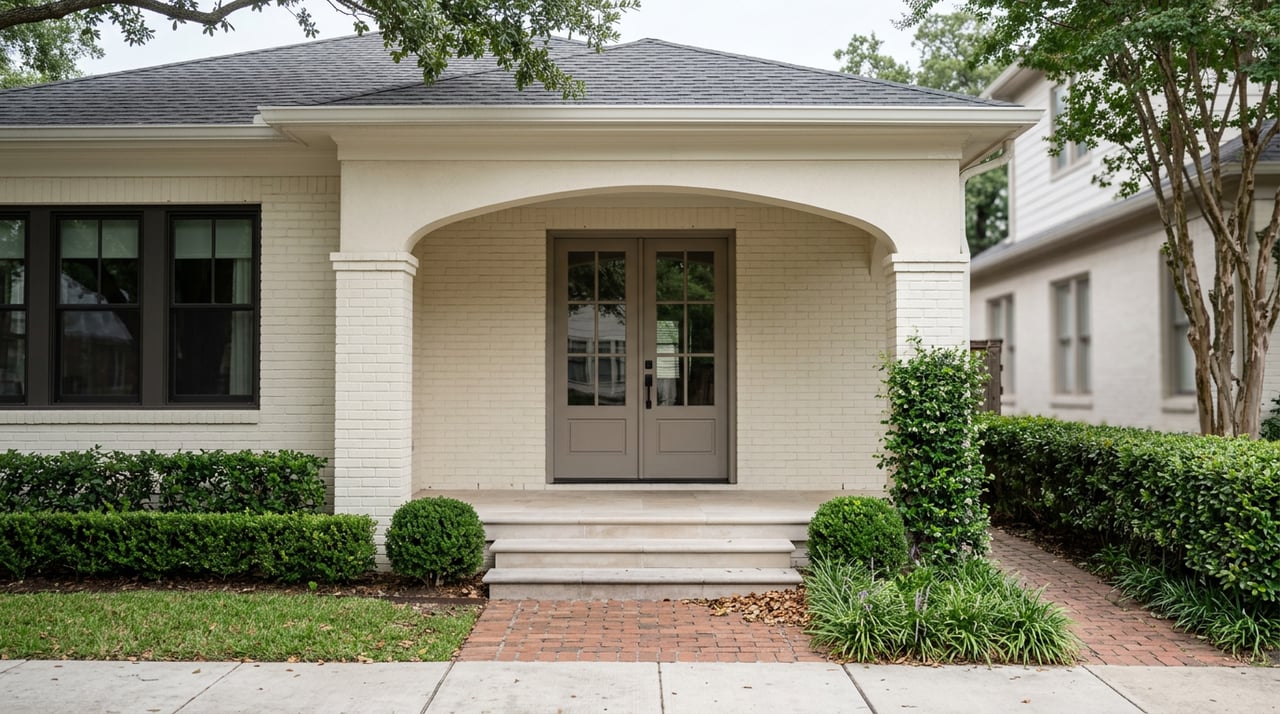
In the Heights, this connects to what buyers see every day: a neighborhood full of early twentieth century bungalows and vernacular homes with repeating proportions, practical footprints, and porch forward design. Not every older Heights home is a kit house, but the kit house era helps explain why so much housing from that time shares a familiar rhythm.
For buyers, the lesson is to separate style from structure. The charm is real, but older homes require smart diligence: foundations, plumbing, electrical updates, and quality of renovation work. For sellers, it is a reminder that the Heights premium is often emotional, and that emotional pull gets stronger when a home is presented as authentic, well maintained, and thoughtfully updated.
Why these facts still show up in pricing and demand
The Heights is not just popular because it is close to downtown. It is popular because it was created with a coherent vision, and it has protected that vision in different ways over more than a century. Founded in 1891, incorporated in 1896, annexed in 1918, and shaped by its elevation, planning, and distinct local rules, the Heights developed a strong identity early, and that identity is still a major part of its market appeal.
Thinking about buying or selling in the Houston Heights? Reach out to schedule a quick strategy call and get a street by street game plan tailored to your goals.